
The Art of Setting a Boundary: In Parenting, Relationships, and at Work
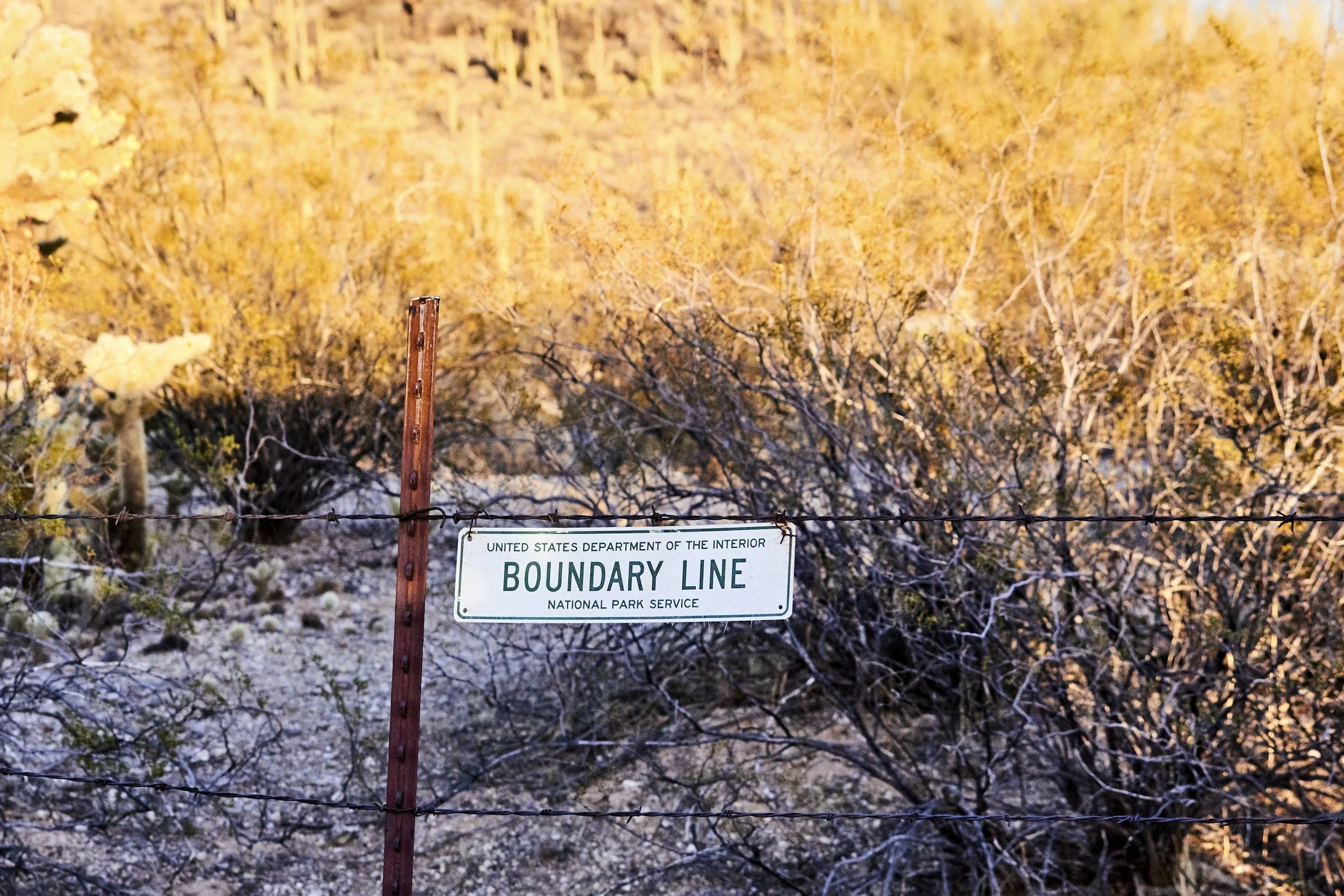
One of the more painful things I witness in my office is older parents who have been cut off by their adult children. They sit across from me genuinely confused, not always blameless, but often without a clear understanding of what happened or why. In many of these cases, the boundary was never really communicated so much as it was simply enacted. Distance replaced dialogue. And when words were used, they tended to arrive as accusations rather than honest expressions of personal need.
These situations are almost always more complicated than they appear from any single vantage point. The adult child who stepped back likely didn't arrive at that decision overnight. The failure, more often than not, wasn't that nothing was said. It was that the communication never found the right language, and eventually the only move that felt available was withdrawal.
A few years ago, "boundaries" escaped the clinical world and landed in everyday conversation. On balance that's been a good thing. A lot of people found language for something they'd been living without words for: their own limits, their own identity, their right to protect their energy and time. But when a concept goes wide, it tends to lose nuance. What I see now is the word being used as a weapon rather than a tool, a way of managing or punishing others rather than honestly describing oneself. A boundary delivered as a verdict is not a boundary in any clinically meaningful sense. It's a wall dressed up in therapeutic language.
A boundary, properly understood, is a statement about your own limitations, not a judgment about someone else's character. When you set one, two things need to happen. First, be honest with yourself about why you need it, not why the other person is difficult or wrong, but what in you requires this particular limit. Second, when you communicate it, the other person needs to understand that this is about your capacity, not their worth.
This matters because being told to keep your distance activates something old and deep in most people, a sense of being cast out. That's a shame response, and many people who tend to provoke limits in others already carry a long history of being pulled away from. When a boundary lands without context or ownership, it confirms every painful story they already believe about themselves. Naming the limit as yours lowers the volume on that judgment and keeps the conversation human rather than punitive. This is especially important when their is a power difference (like when you’re the parent and you’re having to set a boundary with a child — young or old or when you are at a higher status in the company).
A former supervisor of mine used to say that boundaries don't cause change, but they are sometimes needed. Connection is what causes change. I've found that to be true. A limit, set well, can create the conditions for something better. But it is not itself the thing that transforms a relationship. If the boundary becomes the destination rather than a waypoint, the possibility of real change tends to close off.
Our culture has made it easy to cut off and call it health. Sometimes that's the right call. But forgiveness, repair, and the slow renegotiation of relationships are also forms of health, and harder ones. Somewhere in every estrangement there were probably moments where an honestly-owned limit might have changed the trajectory. That's worth considering before you decide how to use the word.