
If we want Mental health we need a bigger imagination Than Medicine Gives Us
We need a bigger imagination for mental health than the narrow one handed to us from medicine.


What the heck do the letters after a therapist's name mean!?
Decoding the letters after therapist’s names. Have you ever noticed a string of letters after someone's name and wondered what they mean? You're not alone. In professional fields, these abbreviations signify various degrees, certifications, and licenses, each representing a different level of expertise and specialization. Let's dive into the alphabet soup and decode what these letters stand for.

Have you ever noticed a string of letters after someone's name and wondered what they mean? You're not alone. In professional fields, these abbreviations signify various degrees, certifications, and licenses, each representing a different level of expertise and specialization. Let's dive into the alphabet soup and decode what these letters stand for.
MA - Masters of Arts degree: This abbreviation signifies a Master's degree in the Arts. Commonly found in fields such as literature, history, or fine arts, an MA often involves research and theoretical study in a specific subject area.
MS - Masters of Science degree: Similar to an MA, an MS represents a Master's degree, but with a focus on scientific or technical disciplines like engineering, mathematics, or computer science.
MSW - Masters of Social Work: An MSW indicates a Master's degree in Social Work, a profession dedicated to helping individuals, families, and communities overcome social and emotional challenges. Social workers with an MSW often provide counseling, advocacy, and support services.
PhD - Doctorate of Philosophy: The highest academic degree awarded in many fields, a PhD signifies expertise in a particular subject area, attained through original research, advanced coursework, and a dissertation. It's commonly pursued by those aiming for careers in academia or research.
PsyD - Doctorate of Psychology: Unlike a PhD, which emphasizes research and theory, a PsyD focuses more on clinical practice and applied psychology. Those with a PsyD often work as licensed psychologists, providing therapy, assessments, and counseling services.
LPC - Licensed Professional Counselor: LPC indicates a professional who has met the requirements for licensure in counseling. These individuals provide mental health counseling services (individual, couples, family, group), helping clients address personal and emotional challenges in their lives.
LCPC - Licensed Clinical Professional Counselor: This designation represents an advanced level of licensure for professional counselors, often requiring additional clinical hours, supervision, and specialized training. LCPCs are equipped to handle more complex mental health issues and provide clinical interventions.
LMFT - Licensed Marriage and Family Therapist: LMFTs specialize in providing therapy to couples and families, addressing relationship issues, communication problems, and other challenges within the family dynamic. They are trained to work with multiple individuals simultaneously to improve overall family functioning.
LCMFT - Licensed Clinical Marriage and Family Therapist: Similar to an LCPC, an LCMFT signifies an advanced level of licensure within the field of marriage and family therapy. These professionals possess specialized training in clinical interventions and are equipped to handle complex family dynamics and mental health issues.
LSW - Licensed Social Worker: LSWs are professionals who have obtained licensure to practice social work. They often work in various settings, such as hospitals, schools, or community organizations, providing support, advocacy, and resources to individuals and families in need.
LCSW - Licensed Clinical Social Worker: LCSWs hold an advanced level of licensure in social work, indicating expertise in providing clinical services. They are qualified to diagnose and treat mental health disorders, provide therapy, and offer comprehensive support to individuals dealing with various challenges.
It's important to note that the specific requirements and titles may vary from one state or country to another. Additionally, professionals may pursue additional certifications or specialties beyond these basic credentials to further enhance their skills and expertise.
In conclusion, the letters after someone's name offer valuable insights into their educational background, professional training, and areas of specialization. By understanding these abbreviations, you can better appreciate the qualifications and expertise of the individuals you encounter in various fields.
The Truth About Therapy: It’s Not Magic, It’s Hard Work
When I tell people that therapy typically spans from six months to several years, depending on the situation, it’s not just to learn a few “tools.” It’s about fundamentally transforming one’s life. It’s about moving from merely coping with life’s challenges to finding real emotional solutions and lasting change.

Therapy is often portrayed as a magical solution, a quick fix to life’s problems. But the reality is far from it. It’s not a passive item you purchase and voila, everything is fixed. Therapy is a practice, a process that requires commitment, consistency, and hard work.
First and foremost, therapy is an investment—financially, temporally, and emotionally. It’s not just about showing up for a session once a week; it’s about actively engaging in the therapeutic process both inside and outside the therapy room. It’s about reflecting on oneself, confronting uncomfortable truths (ie accepting the emotions, desires and needs you really have), and making difficult changes (even self care can be a challenge for some).
When I tell people that therapy typically spans from six months to several years, depending on the situation, it’s not just to learn a few “tools.” It’s about fundamentally transforming one’s life. It’s about moving from merely coping with life’s challenges to finding real emotional solutions and lasting change.
But here’s the kicker: therapy might mess your life up before it gets better. Why? Because you’ve constructed your life based on coping mechanisms and the coping mechanisms of others. When you start to unravel those layers and delve into deeper emotional solutions, it can disrupt your existing relationships and dynamics. You might realize that some relationships no longer serve you or align with your newfound growth. This can be an incredibly challenging aspect of the therapeutic journey.
However, despite the discomfort and upheaval it may bring, the question remains: is anything more worth it than finding relative peace of mind and a sense of authenticity in this world? Therapy isn’t about conforming to societal norms or maintaining comfortable illusions. It’s about confronting the truth, compassionately and safely facing our memories and emotions, and ultimately, finding freedom and authenticity in our lives so that we can truly relate mutually with others. In this way love and the ability to truly love are the ultimate goals of therapy.
So, while therapy is not a magical cure-all, it is a transformative journey—one that requires courage, commitment, and resilience. It’s about embracing the discomfort, navigating the challenges, and ultimately, emerging as a stronger, more authentic version of oneself. And in the end, that journey is worth every ounce of effort and investment it demands.
The three pillars of mental health change
Memory, Completion & Mindfulness are the three buckets for deep and lasting change in mental health and the thing that ties them all together is emotions.

Memory, Completion & Mindfulness are the three pillars for deep and lasting change in mental health and the thing that ties them all together is emotions.
Memory
Our brains love to automate tasks to save energy. But sometimes, in tough situations like trauma, the solutions we learn aren't really solutions at all. Instead, we cope to get through. While coping helps us survive, it doesn't fix things. Our brains then remember this coping as the solution. So, when similar situations arise, our brains automatically activate this coping mechanism. This means we feel and react the same way we did during the trauma. Luckily, memories can change. By recalling and feeling them, they change back into a form where we can alter how they affect us*. This is crucial for changing trauma reactions, whether from past hurts or sudden shocks.
Completion
When we feel threatened, our instincts kick in with fight, flight, or freeze responses. But often, these responses don't get a chance to finish. All that energy gets stuck in our bodies, waiting to be released. Releasing this pent-up energy is essential for our nervous system to regain its balance. This can lead to improvements in anxiety and depression.
Mindfulness
Mindfulness helps us distinguish between the present and the past. It allows us to observe tension without reacting impulsively. By practicing mindfulness, we can slow down and become our best selves. This skill improves with practice and repetition.
Emotions tie all these elements together. They start as physical sensations and evolve into conscious feelings like fear, joy, or anger. Emotions tell us how important a moment is for survival and give us insight into our current state of being.
In conclusion, memory, completion, and mindfulness are vital for deep and lasting change in mental health. By understanding and working with our emotions, we can unlock new levels of well-being and resilience.
*This process is called Memory Reconsolidation and it became known widely from the lab of the famous neuroscientist Joseph Le Doux It was his student Karim Nader who discovered this.
The Triad of Change: Memory, Completion, and Mindfulness in Mental Health
Achieving profound and lasting change in our mental health and emotional well-being requires addressing three fundamental elements: memory, the completion of initiated responses, and mindfulness. These components serve as the cornerstone for transforming our automatic emotional and behavioral patterns and paving the way for new beginnings.
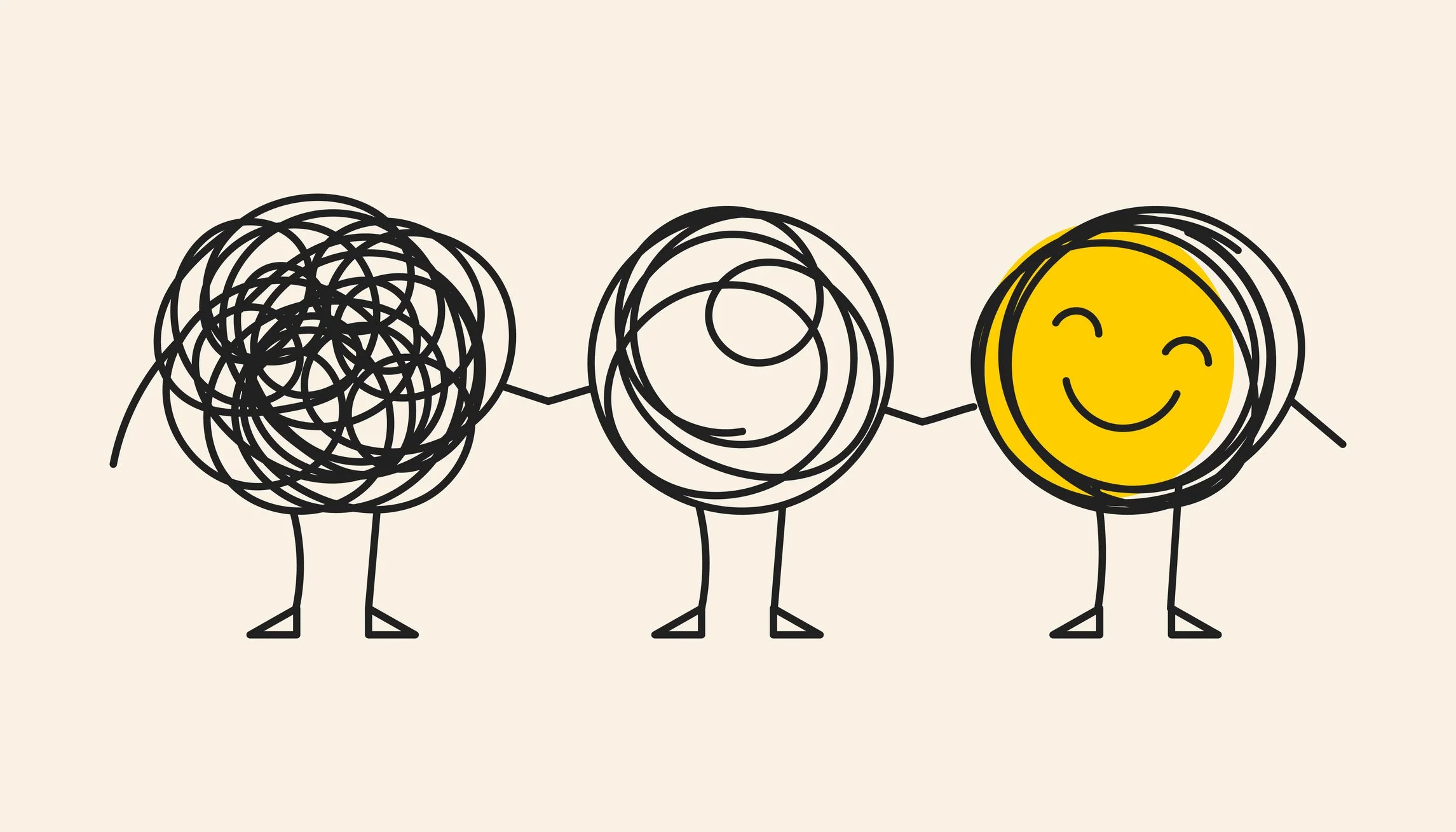
Achieving profound and lasting change in our mental health and emotional well-being requires addressing three fundamental elements: memory, the completion of initiated responses, and mindfulness. These components serve as the cornerstone for transforming our automatic emotional and behavioral patterns and paving the way for new beginnings.
Memory: Our memories, both short-term and long-term, play a pivotal role in shaping our perceptions and responses to various situations. Long-term memories form the basis of our predictive models, guiding our behaviors and emotions based on past experiences. When we encounter familiar situations, often unconsciously, we default to automatic mode, relying on learned coping mechanisms to navigate through challenges.
However, the problem arises when these coping mechanisms are rooted in survival rather than true resolution. For instance, if as children, we learned to cope with unmet needs by numbing our emotions or shutting down, these patterns can persist into adulthood. Despite having greater agency as adults, our automatic responses remain stuck in survival mode, leading to feelings of panic, clinginess, rage, or withdrawal when triggered by similar situations.
To instigate real change, we must address these ingrained memories and disrupt the automated responses they trigger. This involves discharging emotional distress associated with past experiences and creating space for new adaptive strategies to emerge.
Completion of Initiated Responses: Many times, when faced with threatening situations, our bodies initiate fight, flight, or freeze responses as a means of self-protection. However, if these responses are not completed, they can linger within us, manifesting as chronic stress or unresolved tension.
Completing these initiated responses involves allowing our bodies to release the stored energy from past traumas, thereby freeing ourselves from the grip of unresolved stress. Through somatic practices and therapeutic interventions, we can facilitate the discharge of pent-up emotional energy and restore a sense of balance and resilience.
Mindfulness: Mindfulness serves as the bridge between past experiences and present awareness, offering us the opportunity to observe our thoughts, emotions, and bodily sensations without judgment. By cultivating mindfulness, we can develop greater self-awareness and discernment, allowing us to recognize and interrupt automatic patterns of behavior.
Rather than simply reacting to stimuli based on past conditioning, mindfulness empowers us to respond consciously and compassionately to the present moment. It opens the door to new possibilities, enabling us to break free from the constraints of past memories and embrace fresh perspectives on our lives.
In conclusion, while there may be countless tools and techniques for enhancing emotional intelligence and behavioral regulation, true transformation begins by addressing the core issues of memory, completion, and mindfulness. By delving into the depths of our past experiences, releasing unresolved tensions, and cultivating present-moment awareness, we can embark on a journey of profound healing and growth. Let us embrace the power of change and embark on the path towards greater well-being and fulfillment.
Rethinking Defensiveness: A Path to Mutual Understanding
The point is defensiveness is not bad the real issue is relating mutually. We fail to own our personal impact usually because we are insecure. Recognizing how we are contributing to a relational moment is not admitting some kind of objective failure or guilt or shame it’s simply recognizing WHAT might be happening not who is right and who is wrong.

How many times have you heard people weaponize being “defensive”? “You’re being defensive!” We accuse each other of this as if we are pointing out a moral failure or a flaw. The truth is if someone is indeed protecting themselves it’s a sign that their mind and nervous system ARE WORKING PROPERLY given what they assume about the moment. Meaning that we are supposed to be able to protect ourselves from threat when we perceive it. Our nervous systems are designed to go between open and closed all the time. It would not help you survive if you were in a protective mode all the time and equally it would not serve survival if you were open all the time. You need to be able to move dynamically between these modes.
The next time you sense someone is in a defensive mode TAKE STOCK OF YOURSELF and notice if it bothers you. If so, get curious. What’s going on right now? What’s my emotional state, how am I impacting them? What are they going through and how does it make sense? How am I feeling and what do I need right now? Is that need available here or do I need to make a change?
The point is defensiveness is not bad the real issue is relating mutually. We fail to own our personal impact usually because we are insecure. Recognizing how we are contributing to a relational moment is not admitting some kind of objective failure or guilt or shame it’s simply recognizing WHAT might be happening not who is right and who is wrong. That kind of black and white, win or lose thinking is indicative of being in an insecure state that might let you know that a change is needed to feel less threatened again so you can return to reflective thinking.
The Hidden Link to Mental Health: Memories and Your Body's Response
When we talk about mental health, we often focus on things like taking care of ourselves and finding ways to cope with stress. But there's a deeper issue that we don't always address: our memories and how they affect us.

When we talk about mental health, we often focus on things like taking care of ourselves and finding ways to cope with stress. But there's a deeper issue that we don't always address: our memories and how they affect us.
Imagine you're in a situation that makes you feel threatened, whether it's something scary or just really stressful. Your natural instinct is to feel safe, but sometimes that feeling of safety doesn't come easily. So, your body and mind kick in to help you cope. They basically try to make you less aware of how upset you are, so you can deal with the situation without feeling overwhelmed.
But here's the catch: even though you might feel better for a while, those feelings of threat stick around in your body. You might notice physical signs like a tight chest or tense muscles, and those uncomfortable feelings can hang around, even when the threat is gone.
This constant state of stress takes a lot of energy and can make you feel exhausted. It can also lead to long-term issues like depression or anxiety. And sometimes, it's hard to understand why you feel the way you do, which can be really confusing.
The key to feeling better isn't just about changing your mindset or talking about abstract ideas like ego. It's about dealing with those memories and helping your body finish its response to the threat. This means acknowledging how you feel physically and emotionally, and making sense of what you've been through.
By taking this approach, you can start to break free from the grip of past traumas and move towards a happier, healthier life. Healing isn't just about fixing your thoughts – it's about reconnecting with yourself and finding peace in both your body and mind.
Understanding Grief: Navigating the Journey
Grief is a mysterious companion, often surfacing unexpectedly and lingering in the shadows of significant dates, spaces, and relationships. Whether stemming from the loss of a loved one through death, divorce, or a strained familial bond, grief’s presence is undeniable, its intensity capable of inflicting deep emotional wounds.

Grief is a mysterious companion, often surfacing unexpectedly and lingering in the shadows of significant dates, spaces, and relationships. Whether stemming from the loss of a loved one through death, divorce, or a strained familial bond, grief’s presence is undeniable, its intensity capable of inflicting deep emotional wounds.
In the realm of the mind, grief is processed much like physical pain. The brain doesn’t discriminate between emotional and physical threats; it encodes memories of how past pain was endured. Thus, when reminders of grief loom—be it holidays, anniversaries, birthdays, or encounters with certain people or places—our bodies instinctively “keep score,” anticipating situations that may reopen old wounds. Simultaneously, a protective mechanism kicks in, causing a dissociation from the impending grief triggers, shielding us from the anxiety of reliving past pain.
The internal conflict that ensues can manifest in various ways—irritability, vulnerability, depression, overeating, intensified habits, or even instigating arguments—leaving us bewildered by our own reactions.
It’s not uncommon to hear people express surprise at forgetting significant dates associated with their grief. The truth is, the impact of these reminders fluctuates over time. What caused anguish one year may not elicit the same response the next. Grieving is a nonlinear journey, characterized by unpredictability and evolution.
So, how do we navigate this tumultuous terrain?
1. Self-Acceptance and Compassion: Embrace your feelings without judgment. Allow yourself to grieve authentically and at your own pace.
2. Community Support: Cultivate a supportive network of friends or family members whom you can lean on when needed.
3. Preparation: Identify potential grief-triggering dates and prioritize self-care during these periods. Ensure you get ample rest and engage in activities that nurture your well-being.
4. Recognizing Grief Signals: Be mindful of behaviors or emotions that signal you’re experiencing grief. Awareness empowers you to navigate these emotions with greater understanding.
5. Processing the Loss: Seek outlets for processing your grief, whether through therapy, meaningful relationships, journaling, or creative pursuits like art or writing.
Grieving is undeniably challenging, but by embracing self-compassion, seeking support, and engaging in meaningful self-care practices, you can navigate this journey with resilience and understanding. Remember, healing takes time, and it’s okay to seek help along the way. You are not alone in your grief.

Embracing Vulnerability: The Power of Mindfulness in Healing from Abandonment Trauma
Abandonment, whether experienced as a baby, a child, a teen, or an adult, can leave deep emotional scars that echo throughout our lives. The crushing weight of feeling unseen and uncared for, especially by the one leaving, can instill a fear of abandonment that lingers, shaping our interactions and responses to relationships in adulthood.

Abandonment, whether experienced as a baby, a child, a teen, or an adult, can leave deep emotional scars that echo throughout our lives. The crushing weight of feeling unseen and uncared for, especially by the one leaving, can instill a fear of abandonment that lingers, shaping our interactions and responses to relationships in adulthood.
For many, the abandonment might have occurred before conscious memory formed, yet its impact reverberates through moments of panic and anxiety, often leaving individuals confused and embarrassed by their own reactions. The automatic eruption of rage at the mere prediction of being left again is often misunderstood, sometimes even perceived as a threat, perpetuating a cycle where the fear of abandonment becomes a self-fulfilling prophecy.
It’s essential to understand that these reactions stem from a place of deep-seated trauma, where the coping mechanisms developed in response to abandonment were the only tools available at the time. The humiliation and alienation felt in a society often lacking in empathy only compound the distress.
Enter mindfulness—a powerful tool for embracing our vulnerable, traumatized states while cultivating more adult-like or pro-social responses to triggers. Mindfulness invites us to slow down and non-judgmentally observe our thoughts, feelings, and impulses without immediately acting upon them. While it may seem daunting at first, with practice, it becomes empowering, soothing, and encouraging, offering a path to greater freedom and connection.
Incorporating mindfulness into our lives requires patience and dedication, but the benefits are profound. Here are some strategies to begin the journey:
1. Making Sense of Feelings: Start by acknowledging and accepting your feelings without judgment. Allow yourself to experience them fully, recognizing that they are valid responses to past experiences.
2. Orienting Exercises: Incorporate practices like Somatic Experiencing to prevent overwhelm and ground yourself in the present moment. These exercises help regulate the nervous system, providing a sense of safety and stability.
3. Journaling or Art: Engage in creative expression as a means of processing your experiences and emotions. Writing or creating art can provide a tangible outlet for exploring complex feelings and gaining insights into your inner world.
While mindfulness is a lifelong journey, each step taken brings us closer to healing from the wounds of abandonment. By cultivating awareness and compassion for ourselves, we can gradually transform our reactions, fostering deeper connections with others and reclaiming our sense of agency in the face of adversity.
In a society that often overlooks the complexities of trauma, practicing mindfulness offers a beacon of hope—a pathway to liberation from the shackles of our past and a return to wholeness. As we journey inward, embracing our vulnerabilities with courage and grace, we discover the resilience and strength that have always resided within us, waiting to be awakened.