
The Empathic Machine: What Your AI Therapist Can and Can't Do
AI tools are genuinely good at certain things that matter. They don't judge. They don't get tired. They don't bring their own bad day into the conversation. They can reflect your experience back to you in a way that helps you feel less alone with it and informed, and for many people that is meaningful, sometimes even revelatory. If you have spent your life feeling like your emotional experience was too much, too confusing, or too shameful to say out loud, finding something that receives it without flinching has real value.
But here is what is worth understanding about the limits
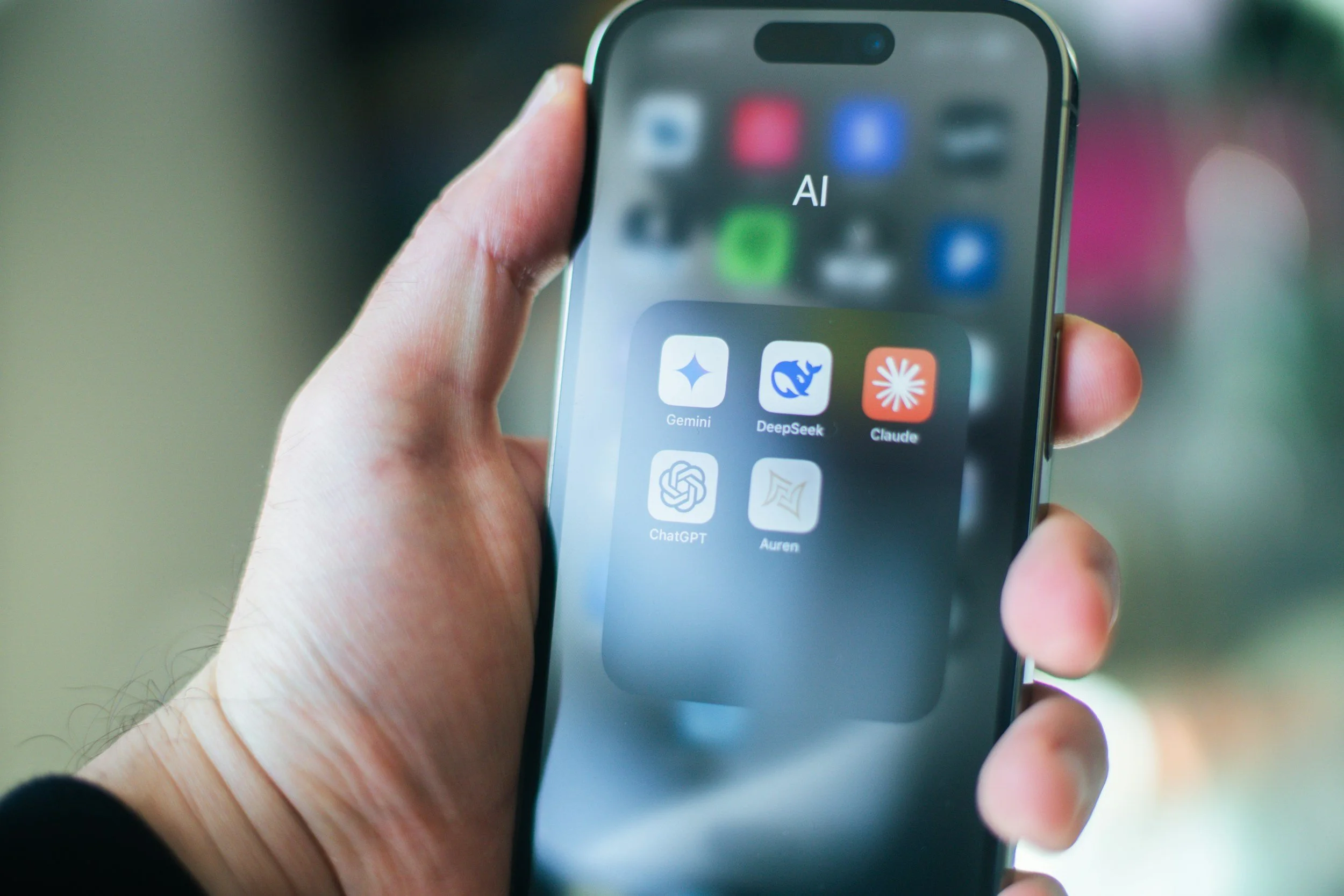
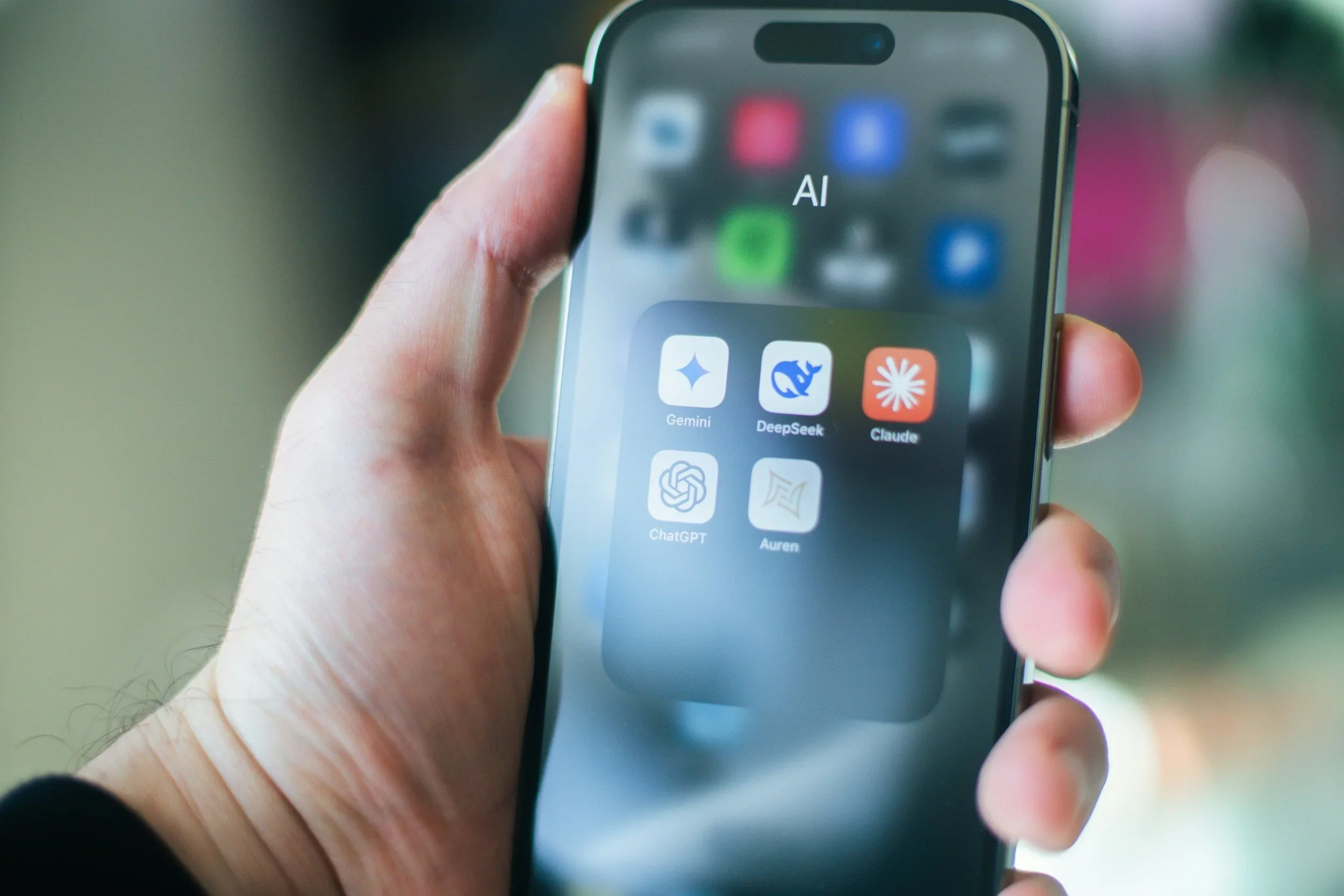
There is a good chance you have already done it. Typed something painful into an AI LLM at midnight. Described a hard conversation with your partner, a spiral of anxiety, a grief you couldn't quite name. And received something back that felt surprisingly helpful. Insightful. Validating while also softly challenging. Organized. Warm, even. And it was free or relatively low cost.
You are not wrong that something real happened there. The question worth asking is what, exactly.
AI tools are genuinely good at certain things that matter. They don't judge. They don't get tired. They don't bring their own bad day into the conversation. They can reflect your experience back to you in a way that helps you feel less alone with it and informed, and for many people that is meaningful, sometimes even revelatory. If you have spent your life feeling like your emotional experience was too much, too confusing, or too shameful to say out loud, finding something that receives it without flinching has real value.
But here is what is worth understanding about the limits, not to discourage you from using these tools, but to help you use them honestly.
Your nervous system is a social organ. It was not designed to regulate itself in isolation. It was designed to regulate in relationship with other nervous systems. When you feel genuinely safe with another person, something biological is happening: your heart rate shifts, your breathing changes, something in the quality of their voice and presence signals to your body that the threat is over. This is not a metaphor. It is physiology. And it happens between bodies, not between a body and a server.
The AI can say calming things. It cannot send the signal your nervous system is actually waiting for, because it has no nervous system of its own.
There is something deeper here too. The therapists and thinkers who have studied what actually changes people suggest that transformation tends to happen not when we feel perfectly understood, but when we encounter someone who is genuinely other than us. Someone who can be surprised by us, moved by us, occasionally wrong about us in ways that have to be repaired. Someone who is, in a word, real. Who has their own limitations, their own interior life, their own skin in the game.
The AI has no skin in the game. It cannot be changed by you. It cannot be hurt or delighted or caught off guard. Its patience is not patience in the human sense. It is architecture. And a relationship with no stakes on one side is a particular kind of companionship, useful in its own way, but not quite what the deepest part of you is looking for.
What the AI does well is help you find language for experience, organize your thinking, and lower the threshold for getting care. Think of it as a place to start. The work that changes the nervous system, the self, the patterns that have run longest and hardest, that work happens in the presence of another person who is also, in some meaningful sense, on the line.
If something in you already knew that, you were right.