
The Pendulum of Truth: What Postmodernism Taught Me About Mental Health
In college, I signed up for a course on postmodern culture and philosophy—thinking I’d spend a semester reading dense texts and debating abstract ideas. What I didn’t expect was to find myself in the pages of the textbook.
In college, I signed up for a course on postmodern culture and philosophy—thinking I’d spend a semester reading dense texts and debating abstract ideas. What I didn’t expect was to find myself in the pages of the textbook.
At the time, I was volunteering for a nonprofit organization. Coincidentally, the director of that very organization had been invited to adjunctly teach the postmodernism course. One day, as we worked through a chapter describing institutions that embodied a rigid, modernist mindset—unable or unwilling to adapt to cultural shifts—I saw a familiar name. There it was: the nonprofit I volunteered for, listed as an example of a modernist holdout.
It was ironic. It was awkward. And it was a perfect window into how theory meets real life.
Postmodernism and the Pendulum of Truth
One of the central themes of postmodern thought is the loosening of our reliance on external sources of truth—institutions like churches, governments, or other authority structures. The deconstruction of these systems often creates space for individual thought, personal conviction, and deeply subjective experience.
There is a real gift in that shift. People who once felt silenced by institutional “truth” suddenly have permission to listen inward, speak freely, and trust their own lived experience.
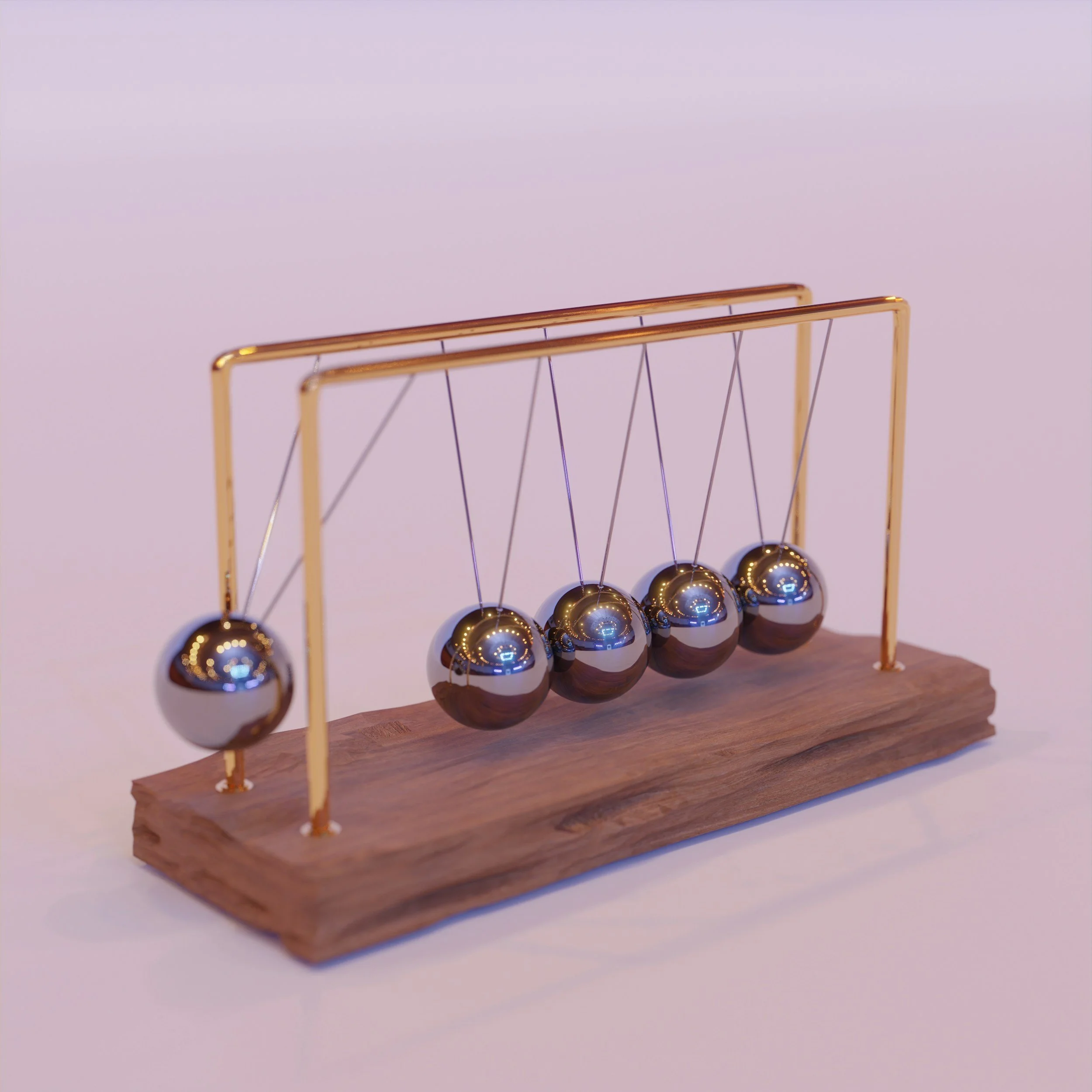
But pendulums tend to swing hard.
In many circles today, subjective experience has been elevated to a new unquestionable authority. If I feel it, think it, or experience it, the logic goes, then it is true.
This is simply the mirror opposite of what modernist institutions once imposed: truth dictated from the outside, regardless of inner conflict. Now it is truth dictated from the inside, regardless of external reality, community wisdom, or historical perspective.
Neither extreme is stable. Neither honors the full complexity of being human.
Holding the Tension: A Healthier Approach to Truth
Historically—and psychologically—the most resilient way of understanding truth is to hold tension rather than collapse it. A mature sense of truth weaves together:
Inner truth: What I feel, think, and experience
Relational truth: How others experience me and the world
Historical and communal truth: What generations before us have learned, named, and passed down
When one of these is ignored, the system breaks down.
And this brings us to mental health.
What Is Mental Health, Really?
Mental health is often defined clinically, but at its core it is something simple and profoundly human:
Mental health is the ability to think, feel, and act with flexibility—while holding both our own viewpoint and the viewpoints of others.
In other words, it is the capacity to be rooted and responsive. To know what we know, while remaining open to how others see it differently. To inhabit our inner world without losing sight of the outer one.
This requires humility. Curiosity. And an ability to tolerate discomfort without either collapsing or hardening.
If reading this definition feels offensive, destabilizing, or irritating in any way, that may actually be a meaningful invitation. What part of you feels threatened by holding multiple truths at once? What inner or outer authority feels at risk of losing its position? What do you fear might happen if truth becomes something shared rather than owned?
These are not questions with quick answers. But they are the very questions that open the door to growth.
Why This Matters
We are living in a cultural moment shaped by both deconstruction and hyper-individualization. Understanding how we arrived here—and how these forces shape our inner lives—can help us find a more grounded, resilient path forward. This is not to repeat a sense of outward knowledge being dominate. It is to voice a song that might be worth hearing in the midst of the moment.
Mental health does not live at either end of the pendulum. It lives in the tension between inner wisdom and communal wisdom, between personal truth and shared truth. Without such a tension debate and growth can’t exist.
And holding that tension well is one of the most important skills we can cultivate.