
The Hidden Link to Mental Health: Memories and Your Body's Response
When we talk about mental health, we often focus on things like taking care of ourselves and finding ways to cope with stress. But there's a deeper issue that we don't always address: our memories and how they affect us.

When we talk about mental health, we often focus on things like taking care of ourselves and finding ways to cope with stress. But there's a deeper issue that we don't always address: our memories and how they affect us.
Imagine you're in a situation that makes you feel threatened, whether it's something scary or just really stressful. Your natural instinct is to feel safe, but sometimes that feeling of safety doesn't come easily. So, your body and mind kick in to help you cope. They basically try to make you less aware of how upset you are, so you can deal with the situation without feeling overwhelmed.
But here's the catch: even though you might feel better for a while, those feelings of threat stick around in your body. You might notice physical signs like a tight chest or tense muscles, and those uncomfortable feelings can hang around, even when the threat is gone.
This constant state of stress takes a lot of energy and can make you feel exhausted. It can also lead to long-term issues like depression or anxiety. And sometimes, it's hard to understand why you feel the way you do, which can be really confusing.
The key to feeling better isn't just about changing your mindset or talking about abstract ideas like ego. It's about dealing with those memories and helping your body finish its response to the threat. This means acknowledging how you feel physically and emotionally, and making sense of what you've been through.
By taking this approach, you can start to break free from the grip of past traumas and move towards a happier, healthier life. Healing isn't just about fixing your thoughts – it's about reconnecting with yourself and finding peace in both your body and mind.
Understanding Grief: Navigating the Journey
Grief is a mysterious companion, often surfacing unexpectedly and lingering in the shadows of significant dates, spaces, and relationships. Whether stemming from the loss of a loved one through death, divorce, or a strained familial bond, grief’s presence is undeniable, its intensity capable of inflicting deep emotional wounds.

Grief is a mysterious companion, often surfacing unexpectedly and lingering in the shadows of significant dates, spaces, and relationships. Whether stemming from the loss of a loved one through death, divorce, or a strained familial bond, grief’s presence is undeniable, its intensity capable of inflicting deep emotional wounds.
In the realm of the mind, grief is processed much like physical pain. The brain doesn’t discriminate between emotional and physical threats; it encodes memories of how past pain was endured. Thus, when reminders of grief loom—be it holidays, anniversaries, birthdays, or encounters with certain people or places—our bodies instinctively “keep score,” anticipating situations that may reopen old wounds. Simultaneously, a protective mechanism kicks in, causing a dissociation from the impending grief triggers, shielding us from the anxiety of reliving past pain.
The internal conflict that ensues can manifest in various ways—irritability, vulnerability, depression, overeating, intensified habits, or even instigating arguments—leaving us bewildered by our own reactions.
It’s not uncommon to hear people express surprise at forgetting significant dates associated with their grief. The truth is, the impact of these reminders fluctuates over time. What caused anguish one year may not elicit the same response the next. Grieving is a nonlinear journey, characterized by unpredictability and evolution.
So, how do we navigate this tumultuous terrain?
1. Self-Acceptance and Compassion: Embrace your feelings without judgment. Allow yourself to grieve authentically and at your own pace.
2. Community Support: Cultivate a supportive network of friends or family members whom you can lean on when needed.
3. Preparation: Identify potential grief-triggering dates and prioritize self-care during these periods. Ensure you get ample rest and engage in activities that nurture your well-being.
4. Recognizing Grief Signals: Be mindful of behaviors or emotions that signal you’re experiencing grief. Awareness empowers you to navigate these emotions with greater understanding.
5. Processing the Loss: Seek outlets for processing your grief, whether through therapy, meaningful relationships, journaling, or creative pursuits like art or writing.
Grieving is undeniably challenging, but by embracing self-compassion, seeking support, and engaging in meaningful self-care practices, you can navigate this journey with resilience and understanding. Remember, healing takes time, and it’s okay to seek help along the way. You are not alone in your grief.

Embracing Vulnerability: The Power of Mindfulness in Healing from Abandonment Trauma
Abandonment, whether experienced as a baby, a child, a teen, or an adult, can leave deep emotional scars that echo throughout our lives. The crushing weight of feeling unseen and uncared for, especially by the one leaving, can instill a fear of abandonment that lingers, shaping our interactions and responses to relationships in adulthood.
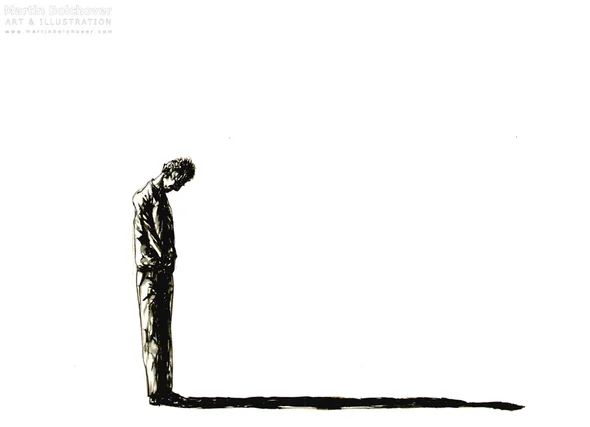
Abandonment, whether experienced as a baby, a child, a teen, or an adult, can leave deep emotional scars that echo throughout our lives. The crushing weight of feeling unseen and uncared for, especially by the one leaving, can instill a fear of abandonment that lingers, shaping our interactions and responses to relationships in adulthood.
For many, the abandonment might have occurred before conscious memory formed, yet its impact reverberates through moments of panic and anxiety, often leaving individuals confused and embarrassed by their own reactions. The automatic eruption of rage at the mere prediction of being left again is often misunderstood, sometimes even perceived as a threat, perpetuating a cycle where the fear of abandonment becomes a self-fulfilling prophecy.
It’s essential to understand that these reactions stem from a place of deep-seated trauma, where the coping mechanisms developed in response to abandonment were the only tools available at the time. The humiliation and alienation felt in a society often lacking in empathy only compound the distress.
Enter mindfulness—a powerful tool for embracing our vulnerable, traumatized states while cultivating more adult-like or pro-social responses to triggers. Mindfulness invites us to slow down and non-judgmentally observe our thoughts, feelings, and impulses without immediately acting upon them. While it may seem daunting at first, with practice, it becomes empowering, soothing, and encouraging, offering a path to greater freedom and connection.
Incorporating mindfulness into our lives requires patience and dedication, but the benefits are profound. Here are some strategies to begin the journey:
1. Making Sense of Feelings: Start by acknowledging and accepting your feelings without judgment. Allow yourself to experience them fully, recognizing that they are valid responses to past experiences.
2. Orienting Exercises: Incorporate practices like Somatic Experiencing to prevent overwhelm and ground yourself in the present moment. These exercises help regulate the nervous system, providing a sense of safety and stability.
3. Journaling or Art: Engage in creative expression as a means of processing your experiences and emotions. Writing or creating art can provide a tangible outlet for exploring complex feelings and gaining insights into your inner world.
While mindfulness is a lifelong journey, each step taken brings us closer to healing from the wounds of abandonment. By cultivating awareness and compassion for ourselves, we can gradually transform our reactions, fostering deeper connections with others and reclaiming our sense of agency in the face of adversity.
In a society that often overlooks the complexities of trauma, practicing mindfulness offers a beacon of hope—a pathway to liberation from the shackles of our past and a return to wholeness. As we journey inward, embracing our vulnerabilities with courage and grace, we discover the resilience and strength that have always resided within us, waiting to be awakened.
What is trauma?
Dr. Peter Levine created Somatic Experiencing (c) but what does he mean by “Trauma is incomplete self-protective responses waiting to be completed”? Think of it this way:
“Trauma is incomplete self-protective responses waiting to be completed.”
Dr. Peter Levine

Dr. Peter Levine created Somatic Experiencing (c) but what does he mean by “Trauma is incomplete self-protective responses waiting to be completed”? Think of it this way:
A threatening moment (could be emotional overwhelm or an outside threat to our safety) causes an automatic reaction towards trying to keep you alive. We usually think of these as fight, flight or freeze.
These are are meant to “complete”. Meaning they are meant to cause us to feel certain emotions & take certain actions until we register that the overwhelm or threat is gone or done.
When we don’t allow our system to complete* those fight/flight/freeze reactions get stuck in our systems and cause problems (like depression/anxiety/and more)
Somatic Experiencing therapy can help the body safely complete these cycles and let go of the enormous amount of energy that is being used by the stuck fight/flight/freeze attempts and bring order back to your nervous system.
*Reasons we don’t allow our systems to complete fight/flight/freeze are numerous. For example, we might be in a car accident or something else extreme and there’s not enough time to move our bodies to protect ourselves like we want to (I fell off a tall ramp skateboarding at 39 broke my elbow and had this experience) , emotionally we might feel a murderous rage in reaction to a co-worker or a boss but we can’t act on that so we squash it and dissociate from our rage because we don’t know how to handle it without feeling out of control. Another emotional example is we receive heartbreaking news but are in public or with our young kids and don’t feel we can truly cry and grieve in that situation so we squash it and dissociate from the grief and the pain. A final example is as children we may not have felt safe to express our fear to our parents or teachers or peers and we learned to squash it and dissociate from it.
Are you tired??
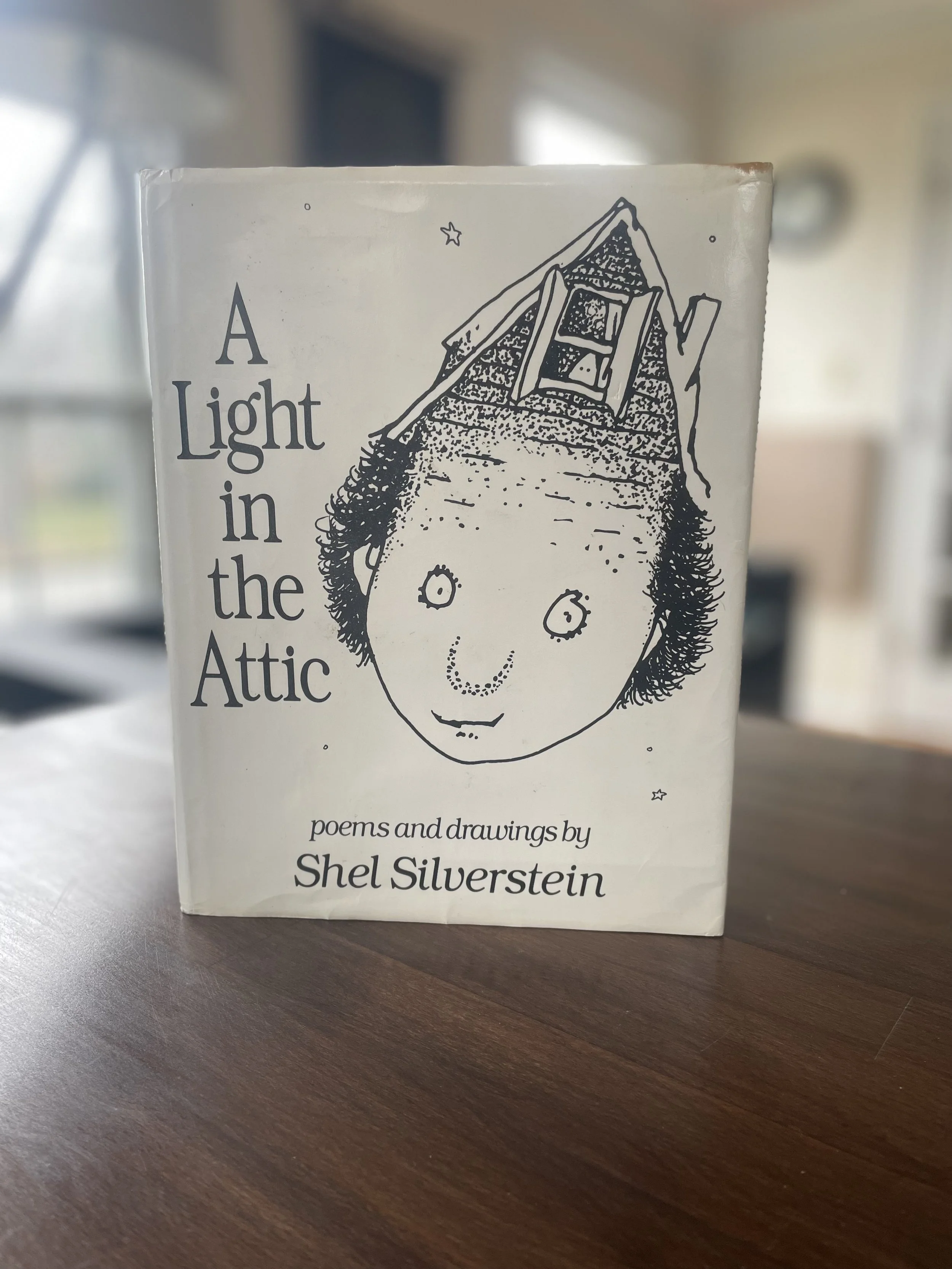
Books meant a lot to me as a child (they still do). Roald Dahl, Louis Sachar, Beverly Clearly…the worlds they painted took me away. Perhaps the author most impacting at that age on me was Shel Silverstein. His book Lafcadio: the lion who shot back captured me with its absurdity and wit and remains a favorite. Today I still have two Silverstein books from my childhood in my library. One is Lacadio and the other is my first copy of A Light in the Attic. Reading through it today I was reminded of a poem that speaks a truth that’s always good to hear.
Books meant a lot to me as a child (they still do). Roald Dahl, Louis Sachar, Beverly Clearly…the worlds they painted took me away. Perhaps the author most impacting at that age on me was Shel Silverstein. His book Lafcadio: the lion who shot back captured me with its absurdity and wit and remains a favorite. Today I still have two Silverstein books from my childhood in my library. One is Lafcadio and the other is my first copy of A Light in the Attic. Reading through it today I was reminded of a poem that speaks a truth that’s always good to hear.

Let's stop calling people mental health diagnosis'
Let’s stop making mental health diagnosis' people’s identity. It’s inaccurate, degrading and only repeating a negative pattern.

Let’s stop making mental health diagnosis' people’s identity. It’s inaccurate, degrading and only repeating a negative pattern.
A phrase that often gets used is “He or She or They are just a ___________” Narcissist, Borderline, etc. This is a problem for two reasons:
1) COGNITIVE/EMOTIONAL TRAITS AND ORGANIZATION DO NOT EQUAL IDENTITY. THEY EQUAL A COMPLEX MIX OF GENETICS/EPIGENETICS/ENVIRONMENT. TRAITS REVEAL HOW A PERSON HAS COPED AND SURVIVED AND UNCONSCIOUSLY LEARNED TO PROTECT THEMSELVES (HURT PEOPLE HURT PEOPLE). THOSE WAYS GOT USED OVER AND OVER AND BECAME HABIT AND EVENTUALLY PERSONALITY (A WAY OF SAYING AN UNCONSCIOUS AUTOMATIC PATTERN OF REACTING TO STIMULUS).
2) IN MY EXPERIENCE PEOPLE USE THAT LANGUAGE WHEN THEY’VE BEEN HURT BY SOMEONE WHO HAS THOSE KINDS OF TRAITS. IN CONDENSING THEM TO A DIAGNOSIS (THAT THEY MAY OR MAY NOT HAVE) THEY ARE RELATING TO THE PERSON IN THE SAME DEHUMANIZING WAY THEY WERE RELATED TO FROM THEM. THIS IS NOT A HIGHER WAY ITS JUST FLIPPING THE SCRIPT, REVERSING ROLES AND CONTINUING THE SAME CONFIGURATION OF A DOMINATE OR BE DOMINATED MENTALITY. IT DOESN’T WORK TOWARDS A BETTER WORLD.
So please, if someone is a hurtful person let’s find ways to NOT continue the pattern of hurting on by calling them a diagnosis.
Are you isolating others and yourself and not knowing it?
Avoiding conflict to avoid pain? Turns out you are just perpetuating it.

When we are uncomfortable/insecure with certain emotions we unconsciously keep ourselves from knowing that we are feeling them. However, they still get communicated. Probably the most common way is what we usually call passive aggressiveness. Another way that’s becoming more common is sometimes called “toxic positivity”. People feel good when they are engaged authentically (albeit respectfully). Lots of reasons cause emotional conflict (e.g. religion, workplace politics, gender pressures, etc.) but they all come down to fear. We feel anxious to know about how we feel because we predict we will feel bad (maybe overwhelmed or guilty or ashamed) and others will have a hurtful reaction to us. If you find yourself always avoiding conflict you may wonder if you really are avoiding bothering people and having a negative effect on your relationships? People organically feel when someone is being honest with them (and themselves). The more people feel passivity in place of genuine emotion the more they feel isolated when with you. This is because they don’t feel resonated with as an emotional person. Over time that creates unconscious reactions to you that will cause people to avoid bringing things up to you. You will cut yourself out of the communication. So, if avoiding conflict is a problem for you maybe some self work is needed so you can give yourself the best chance for connection in the future.
5 tips for helping your kiddo when they blow up or shut down
For years I taught a seminar called “Good Enough Parenting”. Here are a few things I learned from it.

For years I taught a seminar called “Good Enough Parenting”. Here are a few things I learned from it.
check your own attitude and nervous system
Make sure your attitude is not “they are just trying to…” or “they are so ungrateful”. Basically make sure you’re not making it about yourself because if you do you will misunderstand your kids. What they are doing is different than what they are trying to communicate. They are trying to communicate they are overwhelmed by something. Their goal is not to hurt you or disrespect you, their goal is to get your help even if they struggle to accept it.
They need your nervous system to re-balance. You need to be in an emotional place where you can stay reasonably stable so they can be co-regulated by your steadiness. If you need to, take a break (with good communication about why you’re breaking in effort to decrease misunderstanding) before you engage or have someone else engage for you.
Ask yourself if they need to SEE: sleep, eat, exercise
Check the basics. Do they need food or sleep or to get some energy out? Is there something obvious that could be bothering them? No need to make things more complicated if they are simple.
Don’t stand, get to their height
The height difference between you standing and them may be enough to activate a threat response in them increasing an already stressful situation. Getting down to their level helps bring more calm to the situation.
Music & touch
You’re trying to help them rebalance which may really be helped by music or touch. Have a calming playlist made ahead of time (here’s one from Spotify already) you can stealthily put on when the blow up/shut down is simmering.
Ask before you touch. Showing them respect and not talking down by asking if it’s okay to give them a hug or to scratch their back or to pick them up, etc. Allowing them to be in control of their own space. But if you’re allowed, hugging, etc. can be so helpful for co-regulation.
If they’re open to it wrestling might really help to start to re-open them up.
Connect BEFORE you redirect
This comes from Dan Siegel’s work and is huge. Emotionally validate and understand (from their perspective) before you move to correct or change or put in some kind of limit. I can’t stress how important this is. One reason is to do this requires us as parents to slow down in the moment to make emotional space for them. That alone is valuable plus when our children feel understood you’re more than halfway to victory in terms of helping them cope. (BONUS TIP: it doesn't really matter if you or your kids are late. Letting go of the stress to be on time opens up the space needed to tend to what's needed.)
Social situations are the new stalking lions in our lives. How can we survive?
The brain can’t tell the difference between physical threat and emotional threat. It is going react (ie fight/flight/freeze) to both the same. Important takeaways!

The bullets:
The brain reacts the same to emotional threat as to physical threat.
Threat takes us out of the game and majorly decreases our creativity.
Knowing you're in threat is powerful to combating an unnecessary threat response.
There are some steps you can take to help restore peace.
The brain can’t tell the difference between physical threat and emotional threat. It is going react (ie fight/flight/freeze) to both the same.
HOW TO KNOW IF YOU'RE POSSIBLY IN THREAT
Heart speeds up
Sweating Blood will flow to larger areas like your legs to prep you to run away
Hearing negatively effected (less middle frequency)
Ability for eye contact goes down
Ability to think smoothly and reflectively diminishes
Becoming more reactive
Less creativity
Vigilance (noticing every little problem)
Thoughts that see others as a threat (likely in the form of judging people) and yourself as vulnerable (likely in over inflating yourself or under inflating).
2 STEPS TO CONSIDER FOR RESTORING PEACE:
Awareness: notice that you’re in a threat response without judging yourself. This is MASSIVELY different than just being IN a threat response.
Shift from inside focus to outside focus: this comes from Somatic Experiencing. We take 80% of our content in from sight. Using your vision, let your eyes go wherever they want. SLOWLY. You are trying to not think and just notice the outside environment: colors, lighting, textures, objects, details, shapes, etc. Doesn’t matter why you want to look at anything. The point is to shift from the brain focusing on the inside to focusing on the outside. This literally shifts which part of the brain is activated and can give your nervous system a chance to reset. Notice if you spontaneously take a deeper breath or sigh or yawn or want to stretch. It could help to tap your feet while you do this.