

Your Eyes Are Talking to Your Nervous System
Most people think about their eyes as the tools they use to see. What they don’t usually think about is that their eyes are part of their brain. Literally. In utero, the eyes separate from the same brain tissue that becomes everything else. The connection never goes away.

Most people think about their eyes as the tools they use to see. What they don’t usually think about is that their eyes are part of their brain. Literally. In utero, the eyes separate from the same brain tissue that becomes everything else. The connection never goes away.
My friend and colleague, Lillian Giocondo, turned me on to following the Biology of Trauma podcast, and a recent episode with neuro-optometrist Dr. Bryce Appelbaum grabbed my attention. Not because the information was fringe or surprising exactly, but because it put language to something we work with in Somatic Experiencing all the time.
In SE, we pay a lot of attention to the eyes.
We’ll sometimes ask a client to let their gaze soften. To notice what’s in their peripheral field without turning their head. To slowly move their eyes in different directions and notice what happens in the body. Or even to track our fingers and notice when the eye sight glitches. These aren’t quirky add-ons to the work. They’re rooted in the same biology Dr. Appelbaum describes.
Two-thirds of the neurons entering the brain come through the eyes. That’s not a small number. Your nervous system is constantly reading visual input to decide whether you’re safe or in danger. And one of the clearest signals it looks for is whether your peripheral vision is open.
When the nervous system shifts into fight or flight, peripheral vision collapses. The world narrows. You stop seeing what’s beside you and start locking onto what’s in front of you. This is your threat response working exactly as designed. The problem is that for many people who carry stored trauma or chronic stress, that narrowing becomes the default. The tunnel becomes baseline.
Dr. Appelbaum describes this as the body adapting to a tunneled state. The brain stops expecting wide vision. It reorganizes. And over time, people describe feeling like they’re looking through paper towel rolls. Which is just their eyes staying in a survival state.
In SE, one type of eye work we do is called, “orienting.” When a client can slowly, voluntarily move their eyes around the room and allow their eyes stop and focus on what they see, that’s the nervous system checking in with reality and finding it safe. The body follows. Shoulders often drop. Breath often comes in a little more easily.
Dr. Appelbaum introduces three simple exercises in the episode: peripheral pointing, eye push-ups, and eye stretches. Peripheral pointing involves fixing your gaze on a point in the room and then noticing, without moving your eyes, what else is out there. Pointing to it. Then checking. It rebuilds the body’s sense of being in space rather than locked into a single threat point.
These exercises build the same capacity we’re reaching for in SE. The ability to be in a body that can take in more of the world, to have more capacity not just tolerance. A nervous system that isn’t white-knuckling.
If you’ve ever wondered why we slow things down in trauma therapy, why we ask what you notice in your body or what catches your eye in the room, or to stop and feel into your eyes, this episode offers one clear answer. The eyes are not passive recorders. They’re active participants in whether you feel okay right now.
Finding Peace Through 'Attention Out': A Simple First Step to Feeling Better
When you're feeling overwhelmed or stressed, your first instinct might be to dive deep into your thoughts and feelings. While this is completely natural, there's actually a gentler way to begin your healing journey. It's called "attention out," and it's simpler than you might think.
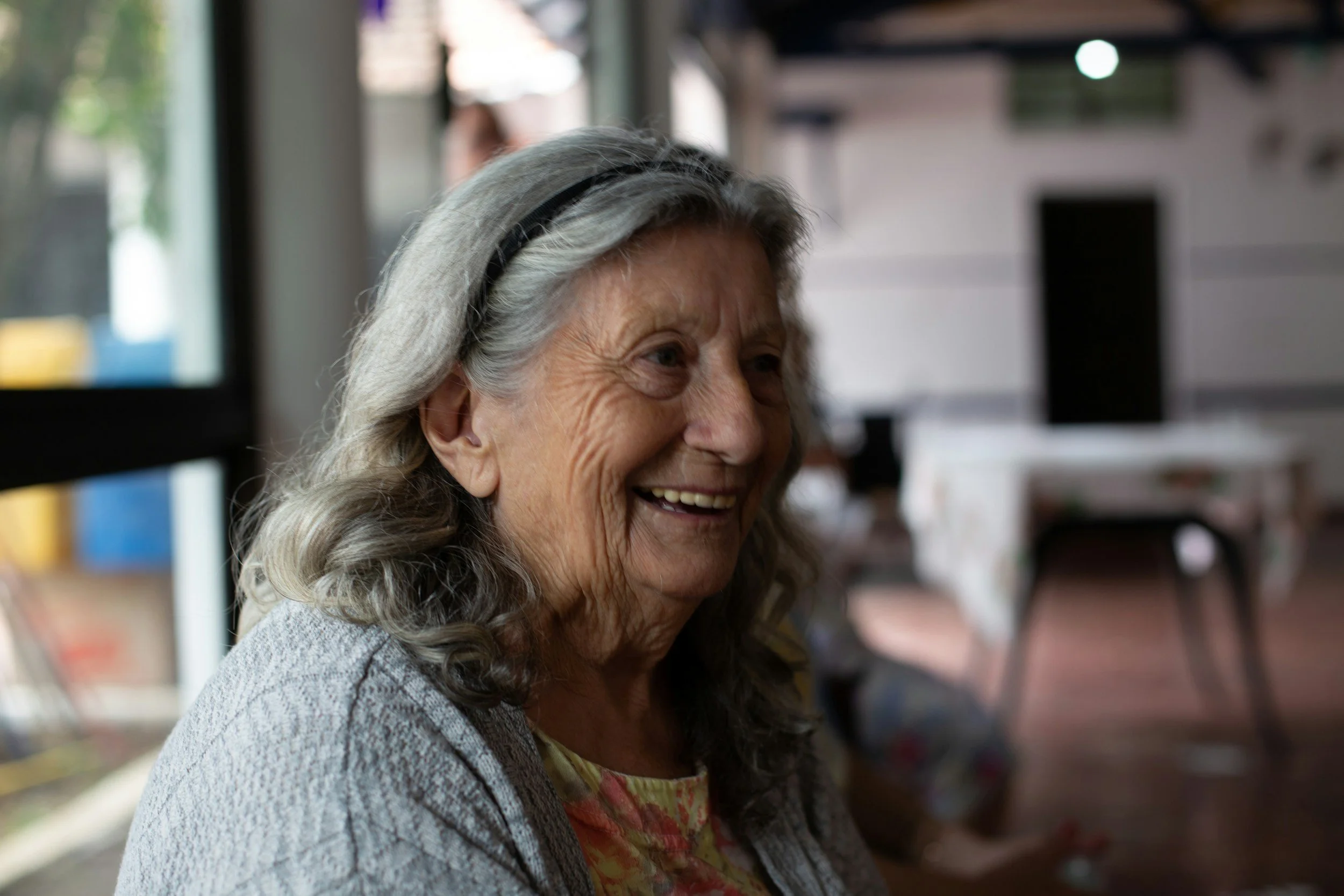
In another post we talk about attention In. In this post we’ll talk about attention out.
When you're feeling overwhelmed or stressed, your first instinct might be to dive deep into your thoughts and feelings. While this is completely natural, there's actually a gentler way to begin your healing journey. It's called "attention out," and it's simpler than you might think.
What is "Attention Out"?
Think of your attention like a flashlight. You can shine it inward (on your thoughts, feelings, and body sensations) or outward (on the world around you). Both are important, but learning to focus outward first can help you feel more grounded and safe.
Why Start with Looking Outward?
When you first come to counseling, you might want to jump right in and talk about everything that's troubling you. That's completely normal! But starting with "attention out" first is like giving your mind a gentle reset button. It helps your body recognize that right now, in this moment, you're safe.
How to Practice "Attention Out": A Simple Exercise
Here's a simple practice called "orienting" that you can try right now. Orienting is a part of a larger instinct for safety called, the threat response cycle.
Find a comfortable spot to sit
Let your eyes wander naturally around your surroundings
Notice what catches your attention - maybe it's a color, a shape, or an object
Don't worry about why something catches your eye - just let your gaze move freely
Try to set aside your thoughts for a moment and just focus on what you see
What You Might Experience
When you practice this, you might notice some natural changes:
Your breathing might become deeper
Colors might seem brighter
Your body might feel more relaxed
You might feel more present in the moment
These are all signs that your body is finding its natural balance.
Why This Works
Your body has a natural ability to heal and find balance. Sometimes it just needs a little help remembering how. "Attention out" is like giving your nervous system a gentle reminder that it can relax and reset (Levine, 1997; 2010).
Remember: This might feel strange at first, and that's okay! Like any new skill, it takes practice. The key is to be patient with yourself as you learn this new way of finding calm.