
Finding Peace Through 'Attention Out': A Simple First Step to Feeling Better
When you're feeling overwhelmed or stressed, your first instinct might be to dive deep into your thoughts and feelings. While this is completely natural, there's actually a gentler way to begin your healing journey. It's called "attention out," and it's simpler than you might think.

In another post we talk about attention In. In this post we’ll talk about attention out.
When you're feeling overwhelmed or stressed, your first instinct might be to dive deep into your thoughts and feelings. While this is completely natural, there's actually a gentler way to begin your healing journey. It's called "attention out," and it's simpler than you might think.
What is "Attention Out"?
Think of your attention like a flashlight. You can shine it inward (on your thoughts, feelings, and body sensations) or outward (on the world around you). Both are important, but learning to focus outward first can help you feel more grounded and safe.
Why Start with Looking Outward?
When you first come to counseling, you might want to jump right in and talk about everything that's troubling you. That's completely normal! But starting with "attention out" first is like giving your mind a gentle reset button. It helps your body recognize that right now, in this moment, you're safe.
How to Practice "Attention Out": A Simple Exercise
Here's a simple practice called "orienting" that you can try right now. Orienting is a part of a larger instinct for safety called, the threat response cycle.
Find a comfortable spot to sit
Let your eyes wander naturally around your surroundings
Notice what catches your attention - maybe it's a color, a shape, or an object
Don't worry about why something catches your eye - just let your gaze move freely
Try to set aside your thoughts for a moment and just focus on what you see
What You Might Experience
When you practice this, you might notice some natural changes:
Your breathing might become deeper
Colors might seem brighter
Your body might feel more relaxed
You might feel more present in the moment
These are all signs that your body is finding its natural balance.
Why This Works
Your body has a natural ability to heal and find balance. Sometimes it just needs a little help remembering how. "Attention out" is like giving your nervous system a gentle reminder that it can relax and reset (Levine, 1997; 2010).
Remember: This might feel strange at first, and that's okay! Like any new skill, it takes practice. The key is to be patient with yourself as you learn this new way of finding calm.
Beyond Talk Therapy: Discovering Somatic Experiencing
There's a special way to help with feelings that are hard to access or even know about. It's called Somatic Experiencing.

Why We Think and Talk
We think and talk for lots of reasons. One of those reasons is to feel better. Let's explore this more.
How Thinking and Talking Help Us
When we feel something strong inside, we want to let it out. This brings us relief and contributes to our life. Here are some examples:
- When we're sad, talking to someone helps us feel less sad and understand ourselves better
- When we're angry, we might want to rant to someone about what's bothering us, think about how to solve what’s bothering us and maybe even fantasize about what we could have done differently, all in an attempt to feel less angry.
- When we do something good, we want to share it with others, this helps us feel more whole and happy.
- When we’re intrigued about something we think about what’s grabbed our attention in order to enjoy the exploration and hopefully to eventually feel the relief of understanding
Our feelings are like messages from our body. They tell us what is going on and what we need to feel better and live happier lives.
Why Some Feelings Are Hard to Notice or Talk About
Sometimes when we share our feelings, things don't go well. Maybe someone didn't listen, or we got hurt. When this happens, we might start automatically hiding these feelings, even from ourselves and even before we know we’re having them. This can make us feel worse over time. They can even cause us to misunderstand the present, to confuse our current situation with the past and react poorly because of that. With feelings that are stuck, out of our awareness and causing us problems talking and thinking alone are about the slowest ways there are to feel better. And often then only keep us stuck.
A Different Way to Feel Better
There's a special way to help with feelings that are hard to access or even know about. It's called Somatic Experiencing. Instead of just talking, we:
- Pay attention to your body and the sensations inside
- Allow some of the movements from spontaneous impulses in the body
- Learn how to navigate activation and de-activation in the body which helps you deal with stuck, pent up feelings little by little instead of in an overwhelming way.
- Empowers you
- Plus much more
Someone trained in Somatic Experiencing helps you do this safely. They teach you how to listen to your body and understand what it's telling you. While you still talk about your feelings, you also learn to feel them in a way that's comfortable and safe. This brings things that are unconscious to the light of day and lets them out so you feel better and live easier.
All of which helps you find answers that come from deep inside yourself, making you feel more sure about what you need.
Stages of attachment
Attachment plays a crucial role in human development, influencing how we form relationships throughout our lives. In counseling, understanding these stages can be beneficial in helping clients explore their relational patterns. Here’s a brief overview of the stages of attachment:

The following is a summary of the “Stages of Attachment Cheatsheet” from the Attachment Project. I liked their PDF and thought the info would be helpful. A link to the original PDF is at the bottom.
Understanding the Stages of Attachment*
Attachment plays a crucial role in human development, influencing how we form relationships throughout our lives. In counseling, understanding these stages can be beneficial in helping clients explore their relational patterns. Here’s a brief overview of the stages of attachment:
Pre-Attachment Stage (0-2 months): During this stage, infants are biologically predisposed to form attachments. They begin to recognize their caregivers, but there is no strong attachment bond yet.
Attachment in the Making (2-6 months): Infants start responding differently to familiar caregivers compared to strangers. Although the bond is still developing, they are more likely to smile or coo at their primary caregivers.
Clear-Cut Attachment (6 months-2 years): This is the critical phase where strong attachment bonds form. Babies often exhibit separation anxiety when away from their primary caregivers and are noticeably distressed when separated.
Formation of Reciprocal Relationships (2 years and beyond): As children grow, their language and cognitive skills improve, allowing them to understand why caregivers may come and go. This marks the development of a more reciprocal relationship with caregivers, and the child begins to balance attachment needs with independence.
______________________
Understanding these stages can provide insight into adult attachment styles, which are often formed based on early experiences. If clients struggle with relationships, revisiting these foundational stages can help illuminate underlying patterns and promote healing.
Below are the key references to support the summary of the stages of attachment based on psychological theory:
John Bowlby's Attachment Theory: Bowlby, a British psychologist, is the pioneer of attachment theory. His work describes the critical role of early bonds between infants and their caregivers in shaping future relational patterns and emotional development(stages-of-attachment-ch…).
Ainsworth's "Strange Situation" Study: Mary Ainsworth expanded on Bowlby’s work by identifying distinct attachment styles through her "Strange Situation" study, which provided empirical evidence for the stages of attachment and the importance of caregiver responsiveness during infancy(stages-of-attachment-ch…).
Developmental Psychology: Attachment theory is widely discussed in developmental psychology, emphasizing how early attachment experiences influence later relationships. These ideas are elaborated in many academic texts on child development(stages-of-attachment-ch…).
If you're looking for a deeper dive into these stages or have specific client needs in mind, consider discussing attachment theory in therapy sessions. It's a foundational concept that can offer valuable insights into personal relationships and emotional health.
*Summarized from the Attachment Project’s “Stages of Attachment Cheatsheet”
Key Take Aways from the APA's new policy on AI
The American Psychological Association recently approved (nearly unanimously) a policy to "recognize the critical role of psychological science and knowledge in guiding the many forms, applications and analyses of AI"
So in light of that I asked ChatGPT to summarize the policies into these takeaways.
The American Psychological Association recently approved (nearly unanimously) a policy to "recognize the critical role of psychological science and knowledge in guiding the many forms, applications and analyses of AI"
So in light of that I asked ChatGPT to summarize the policies into these takeaways.
Psychology’s Role in AI Development: Psychological insights are essential in designing AI systems that understand human behavior, emotions, and cognition, making these systems more ethical, user-friendly, and effective.
AI’s Impact on Society: AI is rapidly influencing various sectors, including healthcare, education, and criminal justice. Psychology can help ensure these technologies are beneficial and minimize harmful consequences, such as bias or misinformation.
Enhancing Mental Health Care: AI has the potential to improve mental health care by increasing access to services, promoting early intervention, and reducing health disparities. Psychology can guide the development of AI tools that support well-being.
Ethics and Privacy Concerns: With AI’s growing presence, ethical and privacy issues are at the forefront. Psychologists must continue to lead efforts in ensuring AI systems uphold human rights and ethical standards.
Education and Public Understanding: Psychology can play a vital role in educating the public about AI, promoting media literacy, and helping people understand and navigate AI technologies responsibly.
These takeaways highlight the importance of integrating psychological expertise into AI development to create systems that benefit society while addressing ethical concerns.
immigration and mental health
The landscape of U.S. immigration has evolved, bringing new challenges and opportunities in understanding immigrant health. Research in fields like decolonial and liberation psychology, intersectionality, and trauma-informed care sheds light on the health experiences of immigrants. Here are some key takeaways:

The following summary comes from the American Psychological Association’s latest findings from their task force on immigration and health:
Understanding Immigrant Health: Key Insights for Mental Health Professionals
The landscape of U.S. immigration has evolved, bringing new challenges and opportunities in understanding immigrant health. Research in fields like decolonial and liberation psychology, intersectionality, and trauma-informed care sheds light on the health experiences of immigrants. Here are some key takeaways:
Vulnerability vs. Resilience: Immigrants face numerous health risks due to global sociopolitical factors, challenging migration journeys, and difficult receptions in new countries. However, they are not inherently prone to poor health. Many have developed resilience strategies that can inform healthcare practices in the U.S.
Resilience as a Strength: Immigrants’ resilience-building strategies have allowed them to survive hardships. Researchers are beginning to learn from these strategies to improve health outcomes for immigrant communities. This area of science is growing, especially in psychology fields focused on Black, Latinx, Indigenous, Asian, Arab, and Middle Eastern communities.
Impact of Anti-Immigrant Policies: Restrictive immigration policies have negative effects not only on immigrants but also on U.S. citizens. These policies can cause psychological and social harm, affecting communities of color and leading to detrimental outcomes for law enforcement and public health.
Supportive Programs Promote Well-Being: Programs that help immigrants navigate the cultural and political landscape in the U.S. can improve their health and well-being. Educational and community-based strategies, especially when developed in collaboration with immigrant communities, have proven effective in supporting immigrants’ economic and social contributions.
Importance of Training and Advocacy: Mental health professionals and trainees frequently interact with immigrant communities. Therefore, training programs must prepare professionals to address the unique health needs of immigrants through research, practice, and policy. Additionally, increasing the admission and support of immigrant students in these programs will enrich the field.
Immigration as a Unifying Force: Contrary to popular belief, immigration is more unifying than divisive. Most Americans support humane immigration policies that provide pathways to citizenship and view immigrants as a strength to the country.
These conclusions highlight the importance of culturally informed and compassionate care for immigrant communities, emphasizing the need for ongoing research, advocacy, and education in the field of psychology. By recognizing the strengths of immigrant communities, mental health professionals can play a key role in promoting health equity and well-being.
A great article in the nyt on somatic experiencing!
This article explores the concept of somatic therapy, which focuses on healing emotional wounds through the body.

Illustration by Daniel Barreto
New York Times Article on Somatic Experiencing Link
The article explores the concept of somatic therapy, which focuses on healing emotional wounds through the body. The author describes their personal experience with a therapist who uses somatic techniques to address their anxiety and fear of failure. The article delves into the principles of somatic experiencing (S.E.), a type of therapy that emphasizes the body's role in emotional processing. The author discusses the benefits of S.E., such as reducing anxiety, improving emotional regulation, and promoting overall well-being. The article also highlights the growing popularity of somatic therapy and the increasing demand for practitioners.
Curious? Book a Somatic Experiencing session with Aaron today.
The Hidden Nature of Attachment Beliefs and Their Impact on Professional Success
For a company to thrive, it’s essential that team members feel seen, heard, and understood. By learning to recognize and address attachment beliefs, leaders can foster a more inclusive and supportive environment. This not only improves interpersonal relationships but also enhances productivity, creativity, and overall job satisfaction.

Attachment beliefs are like invisible forces shaping our behaviors, often without us realizing it. These beliefs were formed before the left side of our brain—the part responsible for logic and conscious thought—was fully developed. Instead, they’re rooted in the right side of the brain, where feelings dominate and conscious reasoning takes a backseat.
This makes attachment beliefs tricky to recognize and even harder to change. When we think about our attachment behaviors, it’s easy to focus on situations where we’re consciously aware of our choices and actions. However, to truly understand and work with attachment, we need to shift our focus to those moments when we don’t notice anything wrong at all.
Imagine being in a conflict where you’re utterly convinced of your perspective, yet others around you question your behavior. Their doubts might leave you feeling confused or even defensive because, in your mind, everything makes perfect sense. This disconnect happens because attachment beliefs operate on an unconscious level. They’re so deeply ingrained that they influence our actions and reactions without us being aware of it.
In a professional setting, these unconscious patterns can significantly impact team dynamics, communication, and overall company success. If left unchecked, attachment beliefs can lead to misunderstandings, hinder collaboration, and create an environment where employees may feel disconnected or undervalued.
Understanding this is key for leaders and team members alike. By becoming more aware of these unconscious patterns, we can start to see where our beliefs might be holding us back or causing misunderstandings in the workplace. This awareness is the first step in making changes that lead to healthier, more authentic connections with others.
For a company to thrive, it’s essential that team members feel seen, heard, and understood. By learning to recognize and address attachment beliefs, leaders can foster a more inclusive and supportive environment. This not only improves interpersonal relationships but also enhances productivity, creativity, and overall job satisfaction.
In the end, working with attachment beliefs isn’t about fixing what’s broken but about shining a light on what’s hidden. It’s about being open to the possibility that there’s more going on beneath the surface than we realize—and that by exploring these depths, we can unlock greater potential for both personal growth and professional success.
How the brain and therapy work together
Our brains are essentially prediction machines with one primary job: keeping us alive. To do this, they rely on past experiences to predict future events. This is all based on what we've encoded in our memory… It's like if you taste a delicious cake and later encounter ingredients like eggs, flour, and butter. Your brain might label the new dish as cake, even if it isn’t.
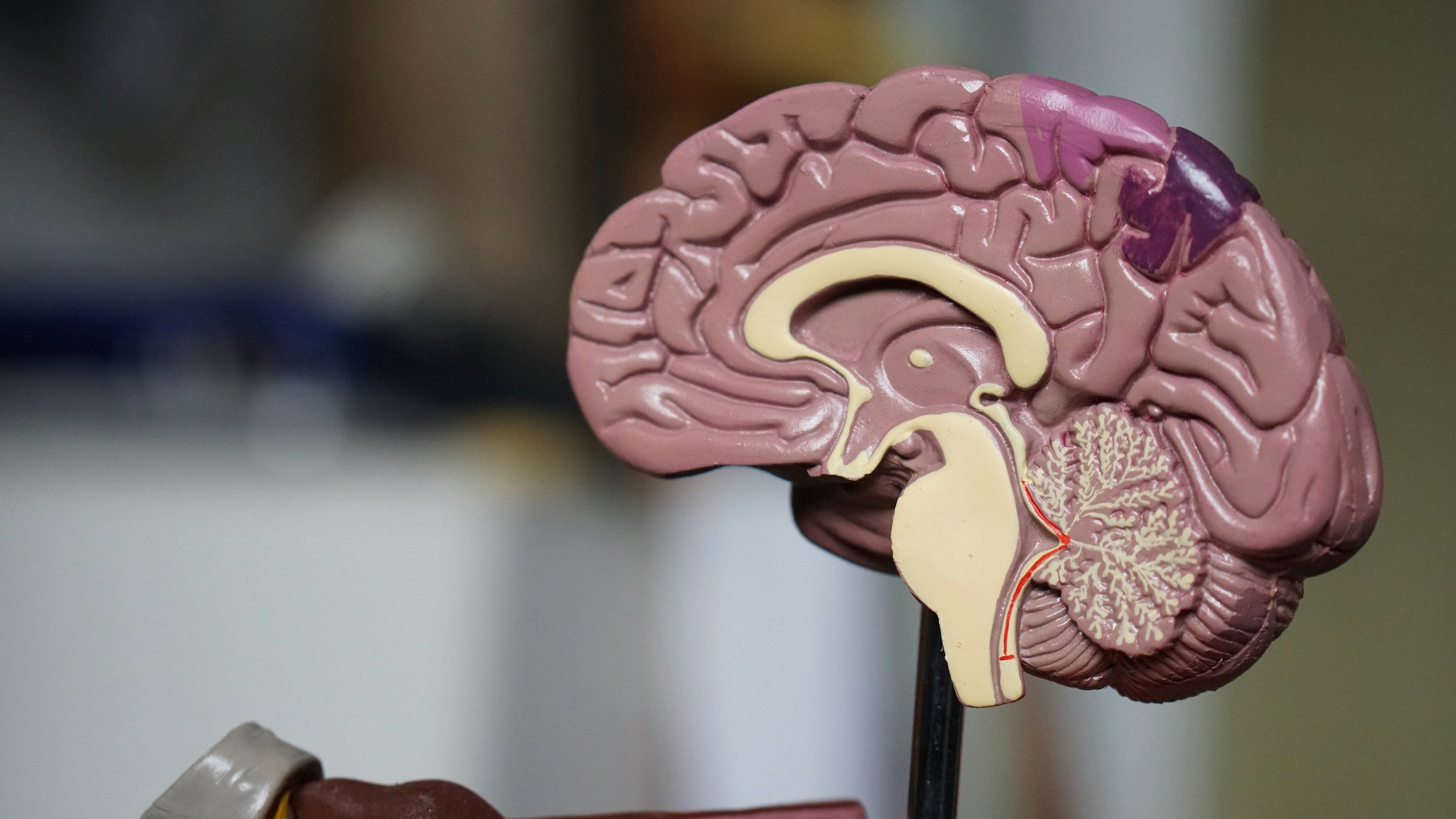
The Brain's Job: Keeping You Alive Through Predictions
Our brains are essentially prediction machines with one primary job: keeping us alive. To do this, they rely on past experiences to predict future events. This is all based on what we've encoded in our memory.
When we encounter danger in the past but only manage to cope with it instead of solving it, those coping mechanisms get stored in our memory. Then, when we face something similar in the future, our brain automatically uses those past coping strategies. It's like if you taste a delicious cake and later encounter ingredients like eggs, flour, and butter. Your brain might label the new dish as cake, even if it isn’t.
This automatic process helps the brain save energy. It's unconscious and hard to recognize, let alone slow down to evaluate whether the past is truly repeating itself.
The Hose and the Snake
Imagine seeing a hose coiled up on the floor and for a moment thinking it's a snake. Your brain uses the shape of the hose to make a quick judgment to protect you. After a second, you realize it’s just a hose, and you can go about your gardening.
In relationships, these automatic assumptions are harder to recognize. We often mistake our gut feelings for objective truth. For example, if you grew up with parents who couldn’t handle big emotions like sadness, anger, or fear, you might have learned to suppress these feelings to cope. This coping strategy gets encoded in your brain.
Coping vs. Solving
As an adult, when you feel sad, scared, or angry in a romantic relationship, you might automatically suppress these emotions. You might feel anxious, irritable, or distracted but not recognize the underlying sadness, fear, or anger. This can lead you to stay in unhealthy relationships because your emotions, which are meant to guide you, are being ignored.
The Role of Therapy
Describing this unconscious process is challenging because it's designed to be unnoticed. This is where therapy comes in. Good psychotherapy helps you recognize the core issues behind your behaviors, like difficulty focusing, irritability, numbness, or getting overly upset. Therapy guides you in creating new, healthier responses that truly solve your problems rather than just coping with them.
By working through these issues in therapy, you can update your brain's prediction models with new data that reflects actual solutions, allowing you to live a more fulfilling life.
How Our Brain Learns and Adapts: The Magic of Memory Reconsolidation
Understanding how our brains learn, adapt, and change through memory reconsolidation not only gives us insight into our own behaviors but also opens up new possibilities for personal growth and therapeutic techniques. Whether we’re dealing with past traumas or looking to improve our adaptive strategies, the dynamic nature of memory offers hope for lasting change.

When we’re born, our brains aren’t fully developed; they’re like houses with just the framing up. So, in the beginning, we heavily rely on our lower brain areas and start interacting with the world through our core emotions. These primal interactions happen through instinctive reactions to our sensory experiences. The feedback from these experiences gets stored and helps us learn. Over time, with repetition, these experiences turn into long-term, non-declarative memories, creating implicit prediction models (see our easy to read post on implicit prediction models).
Our brains learn through a method called prediction error. If a prediction is wrong, we update it; if it’s right, we stick with it. This process, which Freud called the Reality Principle, helps us use energy efficiently while adapting to survive. Memories and predictions guide our actions, from our posture to social strategies and facial expressions. These non-declarative memories are (like Tinactin) quick-acting and long-lasting, making them reliable for forming automated prediction models, even though updating them can be tough.
However, these memories can be updated through a process called memory reconsolidation. When we recall and viscerally feel these implicit memories, they become destabilized and open to new information before consolidating again. The provides a potential to change deeply held connections between emotions, events, and self-protective behaviors if new, powerful experiences contradict old expectations. Thus, memory is a constructive process, piecing together bits of the past to predict the future. We are still learning how and where this can apply clinically but any good effective psychotherapy will harness this mechanism in the brain.
Our subcortical systems, memories, and prediction models support the brain’s higher functions, like thinking and feeling. The cortex, allows us to learn and adapt. Unlike our primary instincts, learning involves creating predictions about what is adaptive at the moment (instincts are built in, we don’t have to learn them). What we learn as adaptive may therefore differ from instinctive reactions.
Memory Reconsolidation: A Deeper Dive
Karin Nader and Oliver Hardt’s groundbreaking work revolutionized our understanding of memory. Before their research, it was believed that memories formed linearly, transitioning from short-term in the hippocampus to long-term storage elsewhere. They showed that recalling long-term memories makes them unstable and requires reconsolidation to remain long-term. This means memories can change each time they're recalled, making memory a dynamic process.
Their research indicates that after a memory is reactivated, it stays open to new learning for about six hours before reconsolidating. This process doesn’t damage the brain and is specific to individual memories. Memory reconsolidation has since influenced psychotherapy, such as Bruce Ecker’s Coherence Therapy, by showing that old memories can be updated with new emotional experiences, facilitating growth and reducing anxiety.
This concept aligns with Frank Alexander’s idea of the corrective emotional experience, suggesting that updating old memories with new, positive experiences can help resolve long-standing emotional issues. Interestingly, Nader and Hardt were students of neuroscientist Joseph LeDoux, who initially doubted their hypothesis but changed his stance after they proved it correct.
Understanding how our brains learn, adapt, and change through memory reconsolidation not only gives us insight into our own behaviors but also opens up new possibilities for personal growth and therapeutic techniques. Whether we’re dealing with past traumas or looking to improve our adaptive strategies, the dynamic nature of memory offers hope for lasting change.
Example of Implicit Prediction Models: Riding a Bicycle
Go beyond TikTok mental health. If you want to understand and change your mental health start with this important concept. Then check out the post on memory reconsolidation to see the application.

Implicit prediction models is an important concept to understand in order to understand mental health. When you first learn to ride a bike, it's a challenging process that involves a lot of trial and error. Here's how implicit prediction models play a role:
Initial Experience:
The first time you get on a bike, your brain has no experience or model to predict how to balance, pedal, and steer simultaneously.
You rely on basic instincts and sensory feedback. You might wobble and fall several times.
Feedback and Learning:
Each time you fall, your brain gets feedback about what didn’t work.
When you manage to ride a few feet without falling, your brain receives positive feedback, noting what you did correctly.
Formation of Implicit Prediction Models:
Over time, with repeated practice, your brain starts to form implicit prediction models. These are automatic, unconscious processes that predict how to balance, steer, and pedal based on past experiences.
These models help you make tiny adjustments to your balance and movements without consciously thinking about them.
Consolidation into Long-Term Memory:
As you continue to practice, these experiences consolidate into long-term, non-declarative memories.
Eventually, you can ride a bike smoothly without consciously thinking about balancing or steering. Your implicit prediction models handle these tasks automatically.
Automatic Adjustments:
When you encounter different terrains, like going uphill or downhill, your implicit prediction models adjust your body’s movements to maintain balance.
You don’t have to relearn how to ride every time; your brain uses the prediction models to adapt quickly.
This process shows how implicit prediction models allow us to perform complex tasks automatically, freeing up our conscious mind to focus on other things. It’s these models that make activities like riding a bike feel second nature after enough practice.