
Insight is not the end, it's the beginning.

Insight is not the end of the journey, it's the beginning. We have a current focus in our culture of defining ourselves. In our search for authenticity we can often allow ourselves to be labeled and then limited by the insights we discover. Whether it's the Strengths Finder, MBI, Enneagram, a book that's resonated, etc. the insights you discover about how you've been wired are invaluable! But don't mistake them for how you have to be. Don't get me wrong, understanding and acceptance of yourself as you are is hugely positive but not because it's the destination but because it starts the journey. Understanding and acceptance allows you to become present which is what is required to access yourself beyond what's been patterned inside. Some might say this is the beginning of true spirituality. So, even though the amount of change or growth possible is contextual and it might require some help/education you have the ability to grow, even starting today, all humans do.
Counter-Transference In The Work Place
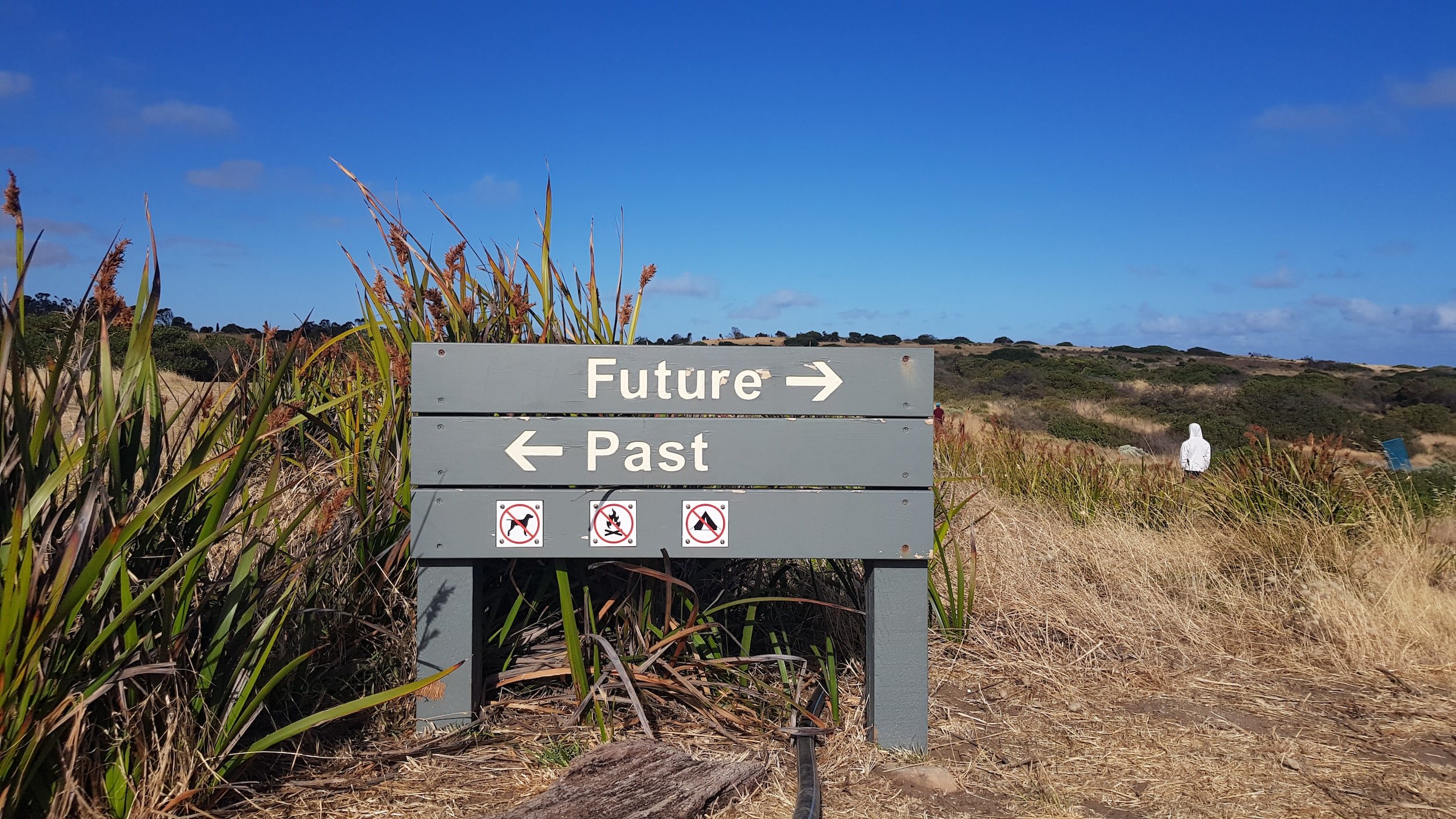
In a previous article, I described transference in the work place. In this one I will describe the other side of the coin, counter-transference.
Counter-transferences are the reactions we have to the unconscious beliefs, emotions and desires being communicated implicitly through another person’s behavior. It can be empathy based or authenticity based. Meaning, you can experience the way the person is feeling in reaction to them (likely you feel more of their feelings and have a deeper sense of understanding and compassion for them) or you can feel how it feels to be treated the way they are treating you (you could feel great about about being idealized for example or really annoyed if you’re being treated like you don’t matter, etc.). Counter transference is unconscious (again without practiced awareness) and can be problematic if it causes you to engage in a drama of the past (e.g. perhaps you unwittingly take on the role of a parent with someone who needed more care than they got and so look to you for guidance. This might activate you're own unconscious adaptive strategies from childhood in which you pleased/entertained/cared for others as a way to experience emotional security. Re-engaging in such a drama replays how you had to be more responsible than your parents and causes you to struggle with your own personal boundaries around your time and effort - working longer and harder than you should. You once again might be stuffing anger and unwittingly be trying to please [i.e. control] the person who unconsciously is communicating unprocessed emotions of need by intensely needing your mentorship. These kind of enactments usually work for sometime until the authentic needs of the one being idealized clash with the unconscious needs of the one being mentored. Such ruptures are confusing because they can reveal upset emotions and even lashing out over reasonable boundaries.)
So, counter-transference is the emotional reactions we have to the unconscious and implicit expression of emotions and needs from another. Depending on the dynamics it can create re-enactments of insecure relating. Knowing how to identify and compassionately help transference/counter-transference can give your work culture a great advantage.
Transference In The Work Place
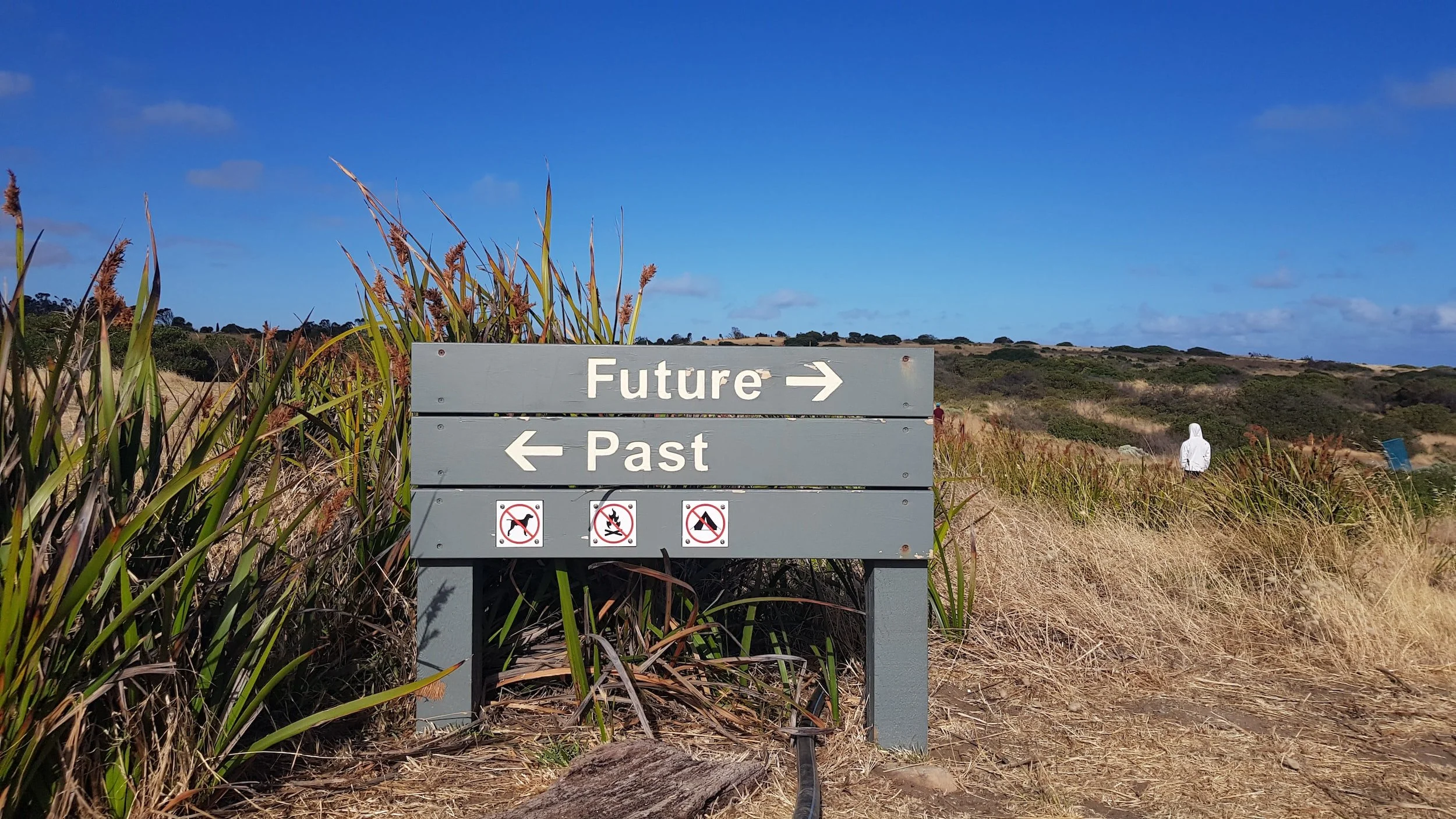
Transference is when a present moment is read by the brain as being the same as a moment in the past and then treated as if it was the past. Meaning, the ways we coped, the ways we felt, how acted and how we understood the moment are imported from the past. This happens all the time, it’s why we can automate so much of our lives. Most of our life is not lived in the present moment, it is lived in what McGilchrist calls re-presented. We are experiencing our own reconstruction of life that is based on what we’ve learned and predict from those memories and models. The type of transference I’m talking about however is more relational based. This type of transference is noticed when either it reveals unprocessed memories in which we were in some kind of survival mode or when it reveals memories of unmet developmental desires. With survival moments we see people treat the present as a threat at some level when it really isn’t. With developmental desire moments we see people treat the present as something to harvest when it’s more than just that. Both are unconscious processes (unless the work is done to be aware of such phenomenon) and not always easy to decipher.
For example, if a co-worker launches into taking up all the space in a meeting it might mean they are unconsciously in a survival based moment in which they are working to control the situation through avoiding silence and other’s reactions in order to avoid feeling abandoned. Such unconscious behavior would help them feel more safe. Or it could mean they have become excited about the possibility of feeling seen and validated which unconsciously leaves them trying to resume getting natural unmet developmental needs satisfied. Either way, it derails the meeting.
If this kind of transference is not understood and helped it becomes limiting to our professional and personal lives. It’s also why I suggest we stop calling companies families. It suggests something that isn’t true (companies are motivated by profit, families are motivated by relationship) and that can unnecessarily provoke transference.
Next I’ll talk about counter-transference in the work place...
The Danger of being out of touch with your emotions and how Being In Touch With Your Emotions is Not The Same Thing As Being Out of Control

Chronic stuffing or being unaware of your feelings is a big problem. If that is happening it is probably a case of biological needs in competition with personality needs. Meaning, your biological needs are to express your feelings while your personality is saying it’s not okay or safe to express. For example, let’s take an emotion that is very challenging in our culture for people to be encouraged to have (especially women due to the sexism), anger. Being unaware of your anger means you will potentially be unaware of a dangerous or unjust situation (or perhaps a situation that is not dangerous but that has tricked your brain into remembering an unjust situation in your past and importing that onto the present). You then could potentially: be taken advantaged-of, express an unnecessary aggressive response, increase avoidance, become passive aggressive, maybe even feel bad physically. So, being in touch with basic or primary emotion is important for adapting in life but the instincts of our emotions sometimes need to be re-tooled to fit our current situation. Which is why we have that great gift of our upstairs brains! Our basic instincts, reflexes, impulses and feelings need to be channeled through our values and goals. For example, just because you feel angry and the instinctual impulse for that is to attack doesn’t mean that you attack! It means you need to find a way to acknowledge and accept your emotion without judgment and learn from it about what the moment means to you so you can prepare to adapt. You might have to learn how to express it in alternative ways so that you can channel that anger into something empowering and not settle for stuffing.
This can be really difficult to realize if you have set your life up in light of stuffing your emotions because getting in touch with your emotions might really mess with your life. You might realize that you’ve been settling for unsatisfying relationships and people might be surprised or even offended by your new self awareness. Re-finding and re-being your self can cause big uncomfortable even painful changes when life has settles around you and taken advantage of you not being in touch with your feelings. Additionally, getting in touch with stuffed feelings might create a release of a lot of back log of emotions and survival based protocols needing to express and complete still. That can be overwhelming and even feel confusing. So it is no small thing to take on your feelings sometimes, it can be super messy, take real courage and sometimes needs the help of good therapy too.
Five Things You Need to Know About Emotions To Succeed
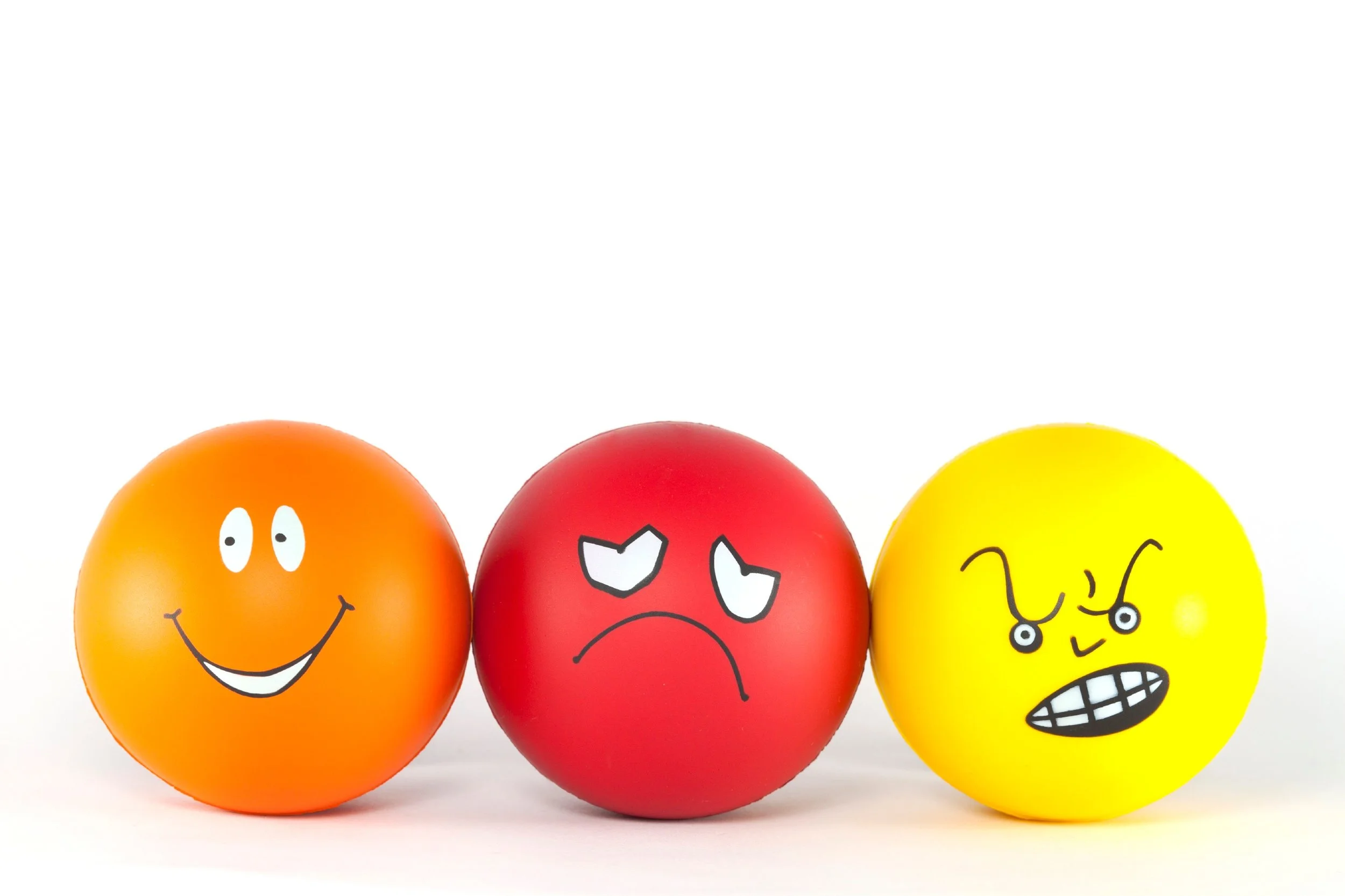
Five Things You Need To Know About Emotions To Succeed:
1. Emotions are like the color wheel: there are primary, secondary and tertiary emotions.
2. Primary emotions are the most important ones because they are our inherited tools for survival. Primary emotions are the ones that are the building blocks for all other emotions, and they are the ones that have adaptive instincts built into them.
3. Being in touch with primary emotions will help you make better choices (they are what intuition comes from). If you are out of touch with your primary emotions you run a bigger risk of making: tactical, ethical, relational and survival mistakes.
4. Primary emotions are first available to our awareness as physical sensations and each primary emotion has particular visceral expressions. Being in touch with your body (a right brain thing), and knowing what the general visceral of each primary emotion is (a left brain thing) is important for being present and able to successfully adapt in the face of new information.
5. Primary emotions give us massive amounts of information about ourselves and the world. If you are out of touch with your full range of primary emotions you are missing out on tons of information which puts you at a disadvantage.
The difference between anxiety and panic!

Did you know there is a difference between panic and anxiety? Knowing the difference can guide you to knowing what you really need.
Anxiety comes from the FEAR system deep in the brain. Panic come from the PANIC/GRIEF system also deep in the brain. These systems labels come from Jaak Panksepp’s work. Here are some differences:
Anxiety produces fear of harm while panic produces the pre-cursor to the pain of separation.
The goal of anxiety is to promote you to vigilance so that you don’t get caught off guard with something threatening. The goal of panic is to express the distress you feel at the loss of connection in attempt to elicit them to return and support you.
Anxiety is about avoiding threat. Panic is about avoiding abandonment.
Anxiety requires safety to be felt to turn off. Panic requires connection. If the demands of anxiety aren’t met it stays on until we get exhausted and dissociate or collapse. If panic isn’t met it eventually caves into despair and grief. We feel the pain of the alone-ness and helplessness to get our connection back.
These two systems obviously work together often. There was a study quoted in The Archaeology of The Mind where people with panic attacks were given anti-depressants. This stopped the panic attacks from happening but not the anxiety about having a panic attack. When the same people were given anti-anxiety medications as well they stopped having fear about having panic attacks too.
Panic attacks by and large are about the fear of abandonment or being alone in the face of something difficult. For example, public performance or speaking often stirs panic attacks because it is a scenario in which a person is likely (consciously or unconsciously) predicting abandonment (ie judgement, rejection, criticism, dismissing, etc.) in reaction to their performance and are feeling the need for reassurance of their connection.
Why it's hard For some to not be judgmental

By: Aaron Mitchum
We notice emotions when they are too high or too low (just like we only notice the temperature in our body when it’s too cold or too hot). The feelings we notice are the ones with the most demand and the most opportunity for doing something about them. When we take action to meet the demands of the feeling it “solves” for it and the positive experience we feel is the relief of the emotion coming back to a level that is sustainable. We no longer feel bothered.
So what does this have to do with being judgmental? Judgmentalism is thought of as a defense (notice I’m not talking about sound judgement here, I’m talking about the way we scrutinize others). It’s an unconscious or automatic mechanism that keeps us unaware of our own emotions and their demands on us. Defenses are a grace that help us cope and deal with life (it’s really helpful to be able to compartmentalize, etc.). Of course defenses can become maladaptive as well. Which is why it is good to be regularly practicing awareness. Often the defenses we pick up and adopt are ones that are modeled for us. This might be why some folks gravitate to it more than others.
Being judgmental can relieve us of feeling our own needs and focuses problems as being outside of us (it might also seduce us into thinking that judging others will help us feel better about ourselves thereby attempting to relieve our emotional pain somewhat). When we are in pain from under met or over extended emotional needs and don’t have the time to deal with them, or we feel unequipped or alone to deal with them (perhaps they are feelings from the past) we automatically cope by trying not to be aware of them. Without relieving the underlying emotional need we require some kind of distraction. Judgementalism is that distraction for some.
Six things you don't know about play but need to

Most people don’t know that playing is a biological need and drive. In fact, PLAY is one of the seven basic emotion systems that our entire emotional lives are built on (in other words, PLAY is one of the seven basic tools we inherit at birth in order to survive - it's not trivial to play it's a necessity). All of this means that the PLAY system (when PLAY is capitalized it is referring to the brain system that produces an emotion, not an emotion itself) is a vital part of being a mammal and being a human. Here are six facts about playing that you might not know:
Even though play can come in tons of different forms (we can have intellectual play, sexual play, dramatic play, witty banter, etc.) its basic biological form is “rough and tumble play”. This is the chasing, wrestling, and physical type of play that we see the most in children (and maybe if you get down on the floor with your dog!).
Playing is a well researched option for helping to manage ADHD. The research suggests that incorporating rough and tumble play into the life of a child with ADHD can have strong positive affects on concentration and focus.
We learn how to live together through playing. Playing teaches us where the line is. Most play ends up in tears if you let it go long enough. That’s because eventually we lose the “as if” feeling when a line gets crossed. Those experiences teach us how to read each other and how to understand limits and rules that we later apply to living in society. We also try on roles in playing that we use later on. Often you see kids playing house or playing different parts of social hierarchy (e.g. cops and robbers, etc.). Playing prepares us for life together.
Empathy evolves out of playing. We develop our capacity for empathy from the PLAY system. Playing is governed naturally by a 60/40 rule. If someone is winning more than 60% of the time the other person will lose interest, feel bullied and disengage. The bully may take the toy but they won’t get the joy.
We need to play everyday otherwise our need for play builds up. If we don’t play today we will need to play twice as much the next day.
Playing produces social joy. Social joy combats despair. Making play a really good medicine for feeling down.
Listen to your feelings! Also, stop listening to your feelings!
By: Aaron Mitchum

Let’s clear up the question of whether to listen to your feelings or not. The answer is…it depends.
Your feelings (and I’m talking about basic emotions here: fear, anger, lust, care, joy, enthusiasm and sadness) are inherited tools for surviving in life. Like the temperature of our bodies, our emotions need to be in a certain range for sustainability (when they are in this range we feel a sense of calm). Too little or too much of any emotion brings that emotion into our awareness, we start to feel it, and that feeling puts pressure on us to do something to relieve its tension. This is good in the sense that we feel impulses to grieve and connect when suffering loss, to steer clear of danger when fear sets in and so on. However, because of the way feelings, the basic needs they provoke, and how it went in attempting to get those needs met are recorded during the first 15 to 24 months of life, plus how those records are then harnessed to set expectations and create predictions and reactions for the rest of our lives around such feelings and needs it can get tricky when we feel those feelings and needs in the present (when the situation is no longer the same as the past). When that happens we stop being present and automatically (aka without thinking) launch into a reaction that doesn’t match the reality of the moment (reactions could be: starting a fight, shifting into a pleasing others mode, getting super rational, a pit in the stomach, heart racing, feeling stupid, low self esteem, feeling helpless, feeling arrogant, feeling a flood off emotions, feeling no emotions, pointing our gaze a certain way, holding our body a certain way, facial expressions, tone of voice, stress level, walking gate, impulse to leave, impulse to keep talking, impulse to avoid some person or place, etc.) instead it matches the reality of the past and the way we learned to cope based on where our developmental level was.
Predictions and automated reactions aren’t bad, they help us save precious energy. With predictions we don’t have to re-interpret every moment which allows us to put our attention elsewhere and focus on expanding our life. However, when our predictions of what is happening and what is adaptive are no longer accurate it's time for them to be updated. When those automatic feelings and reactions are no longer adaptive (for example you learned to avoid others when feeling sad as a child because there weren’t good supports for you as a sad child but as an adult that creates more loneliness than necessary or you learn that asserting yourself is thought to be selfish which gets you rejected so you don’t allow yourself to know what you want and go after it as an adult, etc.) it’s time to learn to non-judgmentally not act on your feelings in automatic moments and focus on the present for new information (this is really difficult on a range and can depend on the age you were when the memories involved were created and the intensity of emotions involved with the original situations - e.g. experiences of violence or abuse are very challenging because they involve intense survival reactions). The reason it’s important to ignore un-needed survival signals and use thinking to slow down automatic reactions and feelings from the past is to regain consciousness and being present. If you don’t, you potentially will re-create and replay your past: same story, different cast. Slowing down and reconsidering reactions allows for the potential of new experiences to occur.
Why are new experiences important? Experiences are what cause new learning and new predictions to get built over time. Additionally, you might consider mindfulness meditation and working with a professional to target long term memories and honor and process the emotions and meanings of the past that keep troubling you. This can really help the ability for slowing down and trying new things. Regardless of where you take this journey though, the first steps are awareness and slowing down to be more present.
P.S. It is especially tricky to recognize our “maladaptive” reactions when they are prized and supported by our society or culture (like perfectionism and obsessional working). So we may not realize that we are reacting and operating in ways that are not best for us because they are creating results of positive feedback. This causes us to wrap our identities and self esteem up with our performance and the feedback we get. We forget who we are outside of what we do.
How emotions become memories (AKA the building blocks of your personality)
By: Aaron Mitchum

Most of life is based on emotions, memories and predictions. In fact, every day you are telling the story of your life without even knowing it. Here’s how it works. We have seven basic emotions: anger, sexual arousal, care, sadness, social joy, fear, and enthusiasm or anticipation (see Jaak Panksepp's work for more on this). We are born with these seven basic emotions because they motivate us to get what we need to survive. These basic emotions are below thinking and the foundation for all our other emotions. Because they have natural needs and instincts built into them basic emotions allow us to interact with the world without thinking. This is helpful because in the first part of life our basic emotions are all we have to navigate the world since our cortex (the thinking part of our brain) and our left hemisphere (the main part where speech comes from) are not fully developed yet.
As we take in the raw experience of life through our senses we experience emotions and those cause us to react with instincts and reflexes. The result of those reactions are remembered and we learn from them (privileging the results that felt most adaptive). After a while our brains transfer these experiences into long term memories and creates prediction models from them. This is to conserve energy. If we can build models that predict how to handle a certain kind of moment we can automate actions and reactions so we don’t have to re-invent the wheel every day. These patterns have to do with every day experiences like walking down the stairs or safety experiences like how to react to strangers vs loved ones, etc. In fact, we stop using feelings in those automated experiences. As long as the predictions our automated models are making keep being accurate we don’t even notice things. If our predictions fail however (e.g. the way we walk down stairs normally isn't working because the stairs are now icy), that’s when emotions come in. We start to feel in reaction to not knowing what to do. We have to feel our way through as the neuropsychoanalyst, Mark Solms is fond of saying.
To summarize, life excites feelings and feelings cause instinctual and reflexive reactions of which the results are remembered and then used to build prediction models to save energy. As those predictions cause feelings and behaviors to be repeated again and again the feelings and behaviors become habits and eventually engrained as automatic ways of being that we don’t think about any more. These are the building blocks of our personalities. So when you wonder why you use the tones of voice that you do on the phone vs in the store, why you react to good news and bad news in the ways that you do, why you judge or don’t judge the way you do, or why you hold your face and body posture in the ways that you do, you can know that it all comes from your history (i.e. how your genetics, dispositions and environments interacted with your basic emotions, instincts and reflexes to cause adaptive reactions which were remembered, repeated and automated).
A take away from all of this is, personalities are constructed. In addition, because our brains are changeable (thanks to neurplasticity [see Norman Doidge’s work] and the memory reconsolidation process [see Karim Nader's work]) it means that personalities are changeable too. The older we get and the more complexities our story has the harder major change can be but we do know that change is possible across the entire life span. Meaning, just because you have a personality type (a lot of people like to know their Enneagram number for example) it doesn’t mean that’s “who you are”. It means that’s what has been constructed. So if you struggle with your automatic reactions to life perhaps it’s hopeful to think that the end question is not necessarily, “what’s my story?” it’s potentially, “what do I want my story to be?".